

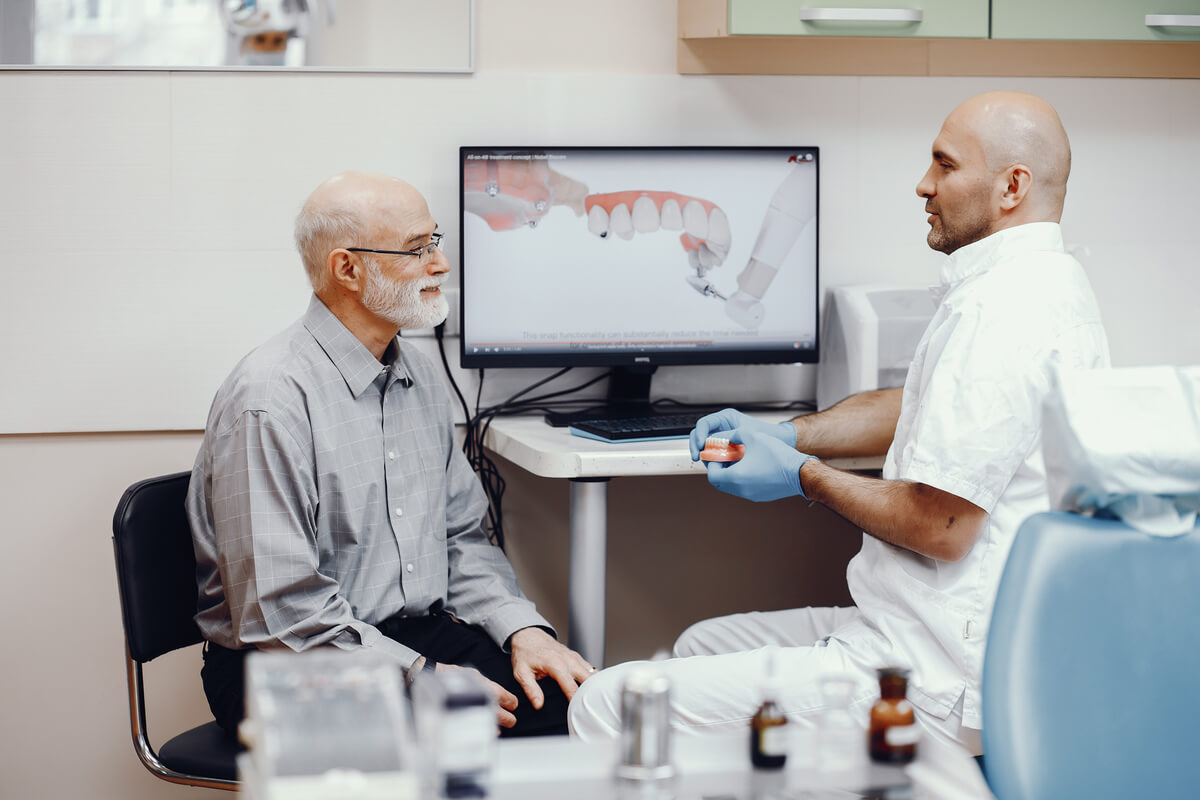
When should you replace your dental bridge? A dental bridge helps replace missing teeth and keeps your smile working and looking good. But over time, even a well-cared-for bridge can wear out or cause problems. Watching for signs of damage or wear can help you avoid tooth decay, gum problems, or bite issues. If your teeth feel uncomfortable or things seem different, visiting a dentist in Edmonton can help you check your bridge and overall oral health.
Common Signs That Indicate a Bridge May Need Replacement
Dental bridges are durable, but they are not permanent. Several signs can indicate that a bridge may need attention or replacement:
- Pain or Sensitivity: If chewing hurts or teeth feel sore, the bridge might be loose, or the teeth under it could have problems.
- Visible Damage: Cracks or chips can make the bridge weak.
- Changes in Fit: If your bridge feels loose or moves when you eat, it might not fit properly.
- Gum Problems: If the gums near the bridge become swollen, red, or bleed, it may be a case of gum disease.
- Bad Breath or Taste: Persistent bad breath or a metallic taste can indicate decay under the bridge or bacterial buildup.
These symptoms should not be ignored, as delaying replacement may lead to more serious dental issues.
How Long Do Dental Bridges Last?
The lifespan of most bridges would be about five to 15 years, depending on the material, oral hygiene and dental check-up. Dental bridges in Edmonton are created from durable materials that are porcelain, zirconia, or metal alloys that last long. Nonetheless, grinding teeth, not keeping good oral hygiene, and decay of neighbouring teeth will limit their lifespan.
Causes That Lead to Dental Bridge Replacement
You might need a new bridge for a few reasons:
- Tooth Decay: Cavities in the teeth holding the bridge can make it weak.
- Gum Problems: Sick gums can hurt the teeth and gums that hold the bridge.
- Wear and Tear: Chewing, biting, or habits like biting nails can wear out the bridge.
- Damage from Injury: Accidents can crack or move the bridge.
- Poor Fit: Bridges that were not fitted well at first can become loose over time.
Knowing these reasons can help you take care of your bridge and make it last longer.
How Dentists Evaluate Bridges
A dentist near you will perform a thorough examination to determine if your dental bridge needs replacement. This may include:
- Visual inspection for cracks, chips, or discoloration
- Checking the fit and bite alignment
- X-rays to detect decay or bone loss under the bridge
- Assessing gum health around the bridge
Based on the findings, your dentist can recommend whether repair or full replacement is necessary.
Preventive Tips to Extend the Life of Your Dental Bridge
You can make your dental bridge last longer and avoid replacing it too soon by following these simple steps:
- Brush your teeth two times a day with fluoride toothpaste.
- Floss gently around your bridge to clean food and plaque.
- Avoid chewing hard things like ice or pens.
- Use a night guard if you grind your teeth.
- See your dentist every 6 months for check-ups.
These habits help protect your bridge and the teeth that support it, keeping your mouth healthy for a long time.
Alternative Options for Tooth Replacement
If you need a new bridge, you have a few options depending on your teeth and budget:
- Dental Implants: A strong, long-lasting way to replace missing teeth without touching nearby teeth.
- Partial Dentures: Removable teeth to replace several missing teeth.
- New Bridges: Made with modern materials for a better fit and longer life.
Discussing these options with a dentist in Edmonton can help you choose the most suitable treatment for your oral health.
Reclaim Your Confident Smile Today!
Keep your smile healthy, and your teeth strong with dental bridge care made just for you. Book a visit at Allendale Dental to learn about replacement options, get advice for your care, and enjoy strong, natural-looking results. Take the first step toward a long-lasting, fully working, and bright smile today!
FAQs
How can you tell if your dental bridge is failing?
Look for pain, a loose bridge, cracks or chips, swollen gums, or changes in how your teeth meet. Regular dental visits can help catch problems early.
Can a damaged bridge be fixed instead of replaced?
Small chips or cracks can sometimes be fixed, but bigger problems usually need a full replacement.
How long does it take to replace a dental bridge?
Replacing a bridge usually takes one or two visits, depending on how simple or complicated it is.
Does insurance cover dental bridges?
Many dental insurance plans cover a portion of bridge procedures, but coverage varies. Check your policy for specifics.