

A tooth can become infected or badly inflamed when bacteria reach the soft tissue inside it. Deep decay, a crack, an injury, or previous dental work can all contribute to damage within the tooth. At Allendale Dental, we provide root canal therapy in Edmonton to address affected tissue and help preserve the natural tooth when possible.
If you are experiencing ongoing tooth pain, sensitivity, or swelling and are considering root canal therapy near you, Dr. Alex McPherson can examine the affected area and determine what may be causing your symptoms. Our team will review the findings with you and explain whether root canal treatment is appropriate based on the condition of your tooth.
What Is Root Canal Therapy?
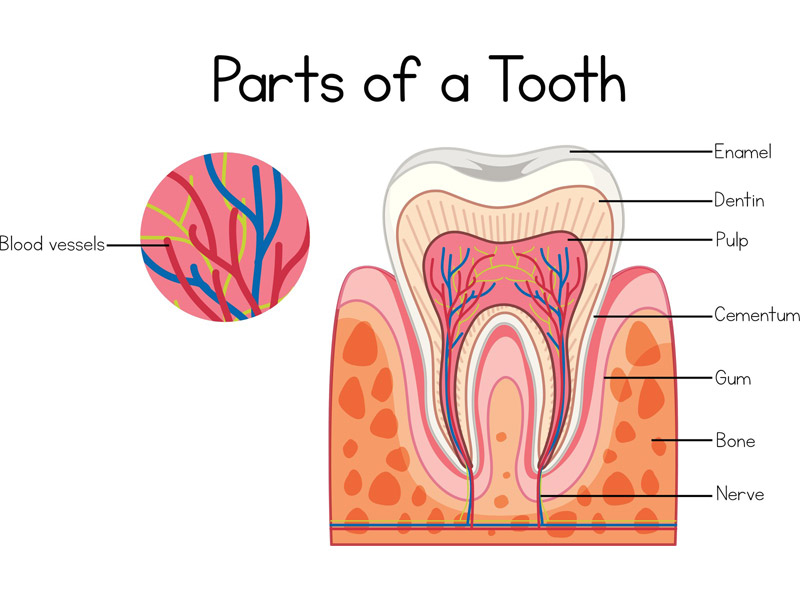
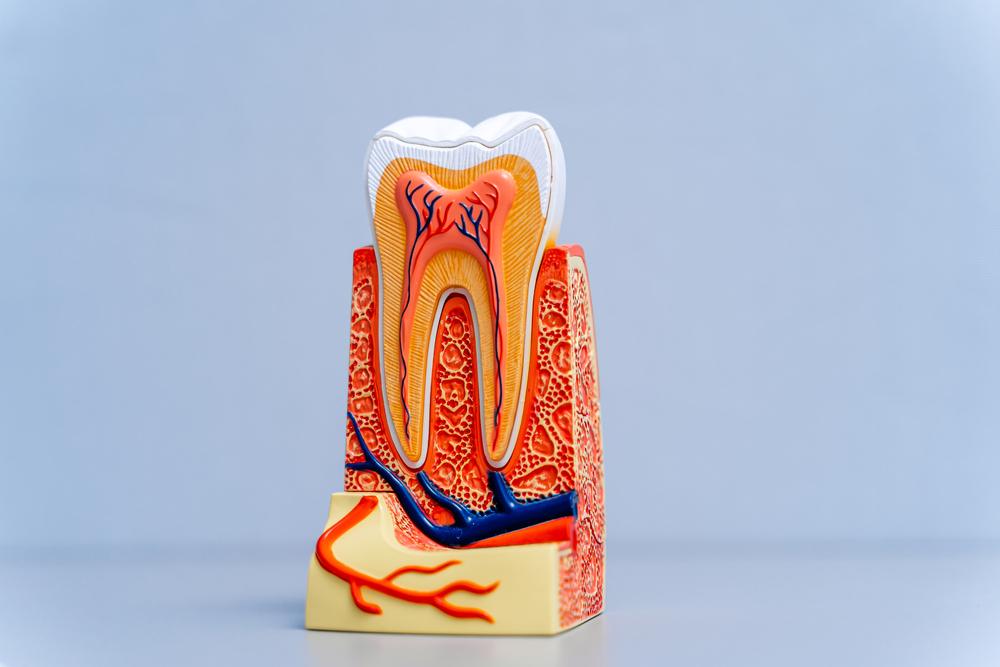
Inside each tooth is a space containing the pulp, which includes nerves and blood vessels. When the pulp becomes infected or severely inflamed, the tooth may become painful or sensitive.
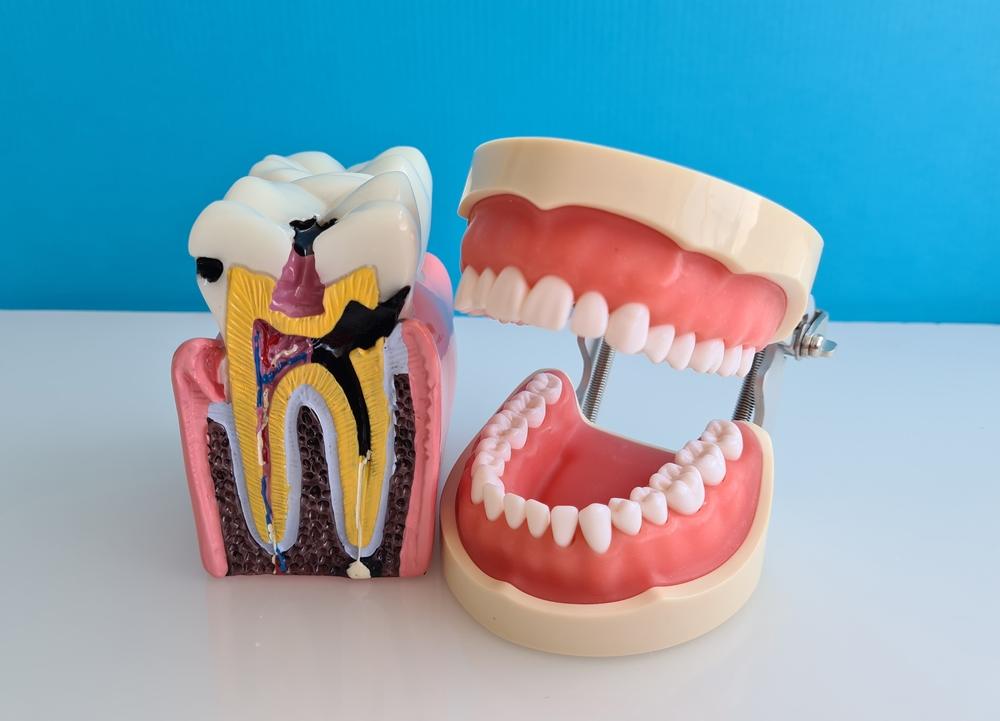
During root canal treatment, the affected pulp is removed from inside the tooth. The root canals are then cleaned, shaped, filled, and sealed to help prevent bacteria from entering again. The goal is to address the problem inside the tooth while preserving the remaining natural tooth structure.
Signs You May Need a Root Canal
Not every toothache requires root canal treatment. An examination and dental X-rays can help identify the cause of your symptoms and determine what type of treatment may be appropriate.
Signs that should be checked include:
- Persistent Tooth Pain: Ongoing or severe discomfort in or around a tooth.
- Lingering Sensitivity: Sensitivity to hot or cold that continues after the source is removed.
- Biting Discomfort: Pain when biting or chewing.
- Swelling or Tenderness: Swelling or tenderness around a particular tooth.
- Gum Bump: A small bump or swelling on the gums near the affected tooth.
- Tooth Discolouration: Darkening or noticeable changes in the colour of a tooth.
- Cracked or Damaged Tooth: A crack or significant injury that may have affected the inside of the tooth.
Some infected teeth may cause few noticeable symptoms at first, making regular dental examinations an important part of monitoring your oral health.
Why Root Canal Treatment May Be Recommended
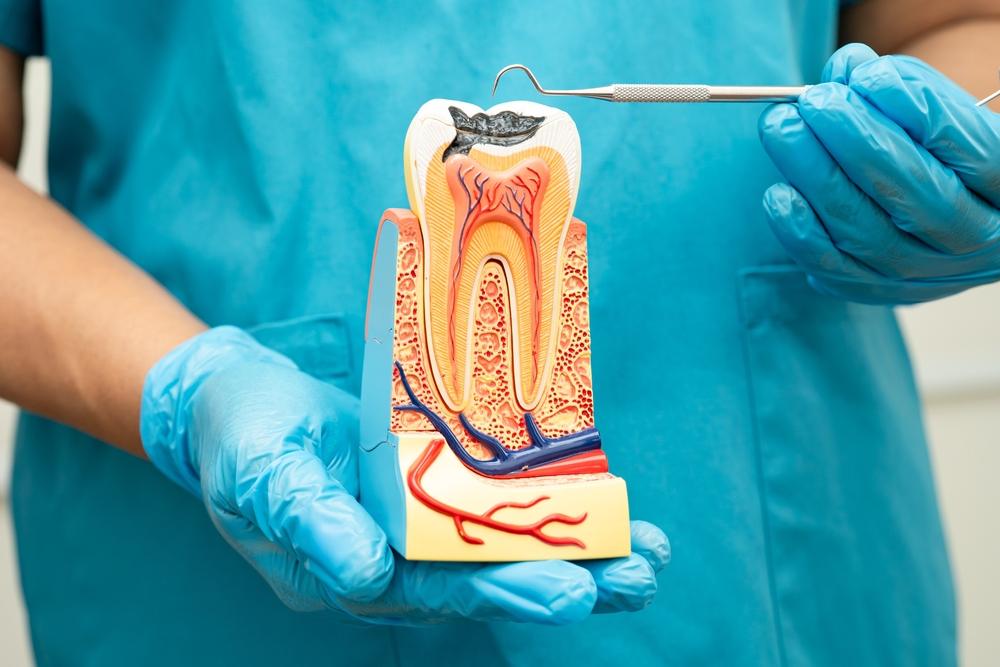
When the pulp inside a tooth becomes infected or severely inflamed, it usually cannot heal on its own. Without treatment, the problem may progress and cause pain, swelling, or infection around the root.
Root canal therapy may be recommended when the natural tooth can still be preserved. Removing the affected pulp and cleaning the root canals allows the tooth to remain in place rather than requiring extraction.
The appropriate treatment depends on the condition of the tooth, the extent of the infection or inflammation, and the amount of healthy tooth structure that remains.
What Happens During Root Canal Treatment?
The treatment process varies depending on the tooth and the complexity of the root canals. It generally includes the following steps:
1. Examining the Tooth
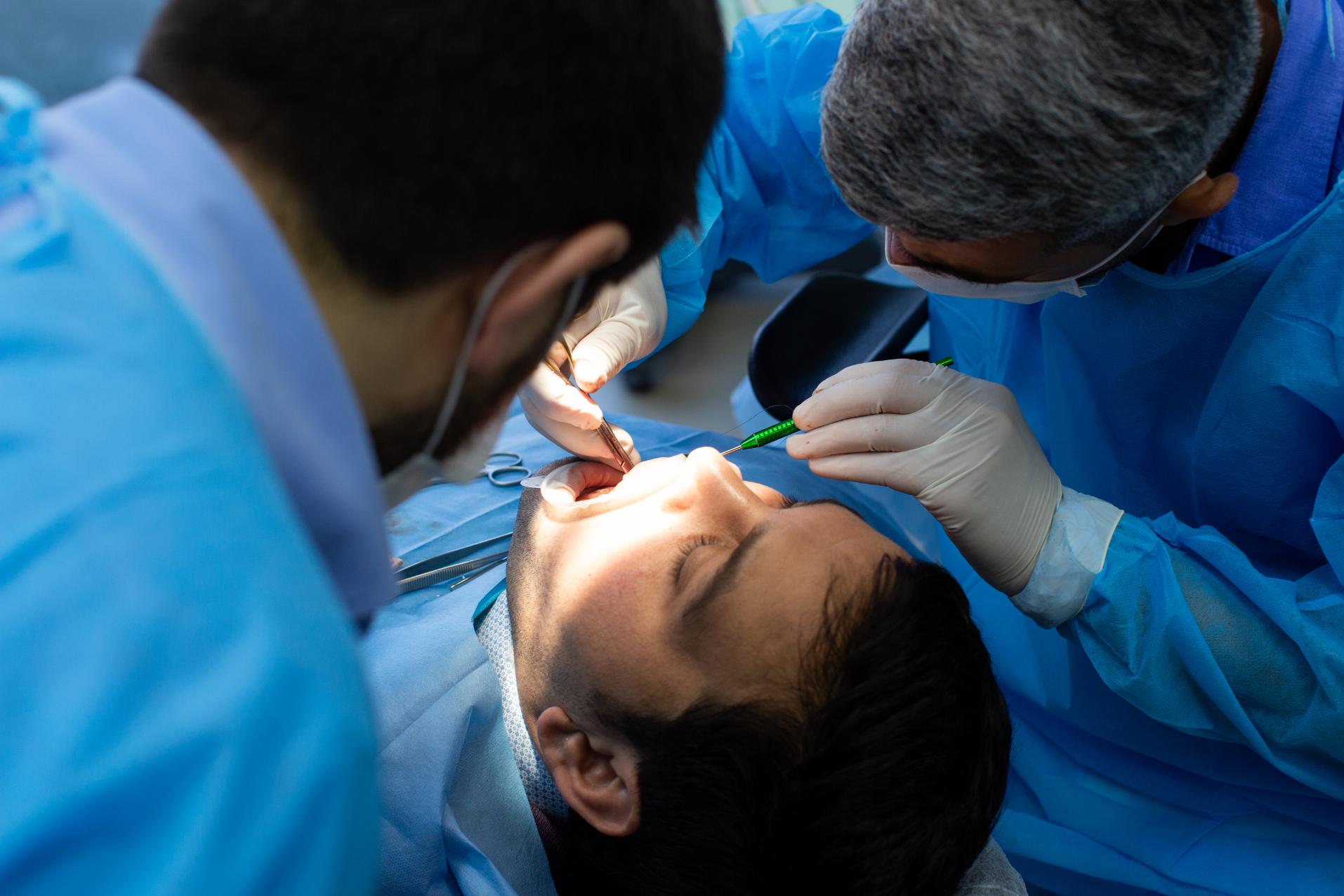
Dr. McPherson examines the affected tooth and may take dental X-rays to assess the roots and surrounding bone.
2. Numbing the Area
Local anesthetic is used to numb the tooth and nearby tissues before treatment begins.
3. Removing the Damaged Pulp
A small opening is made in the tooth to access the inside. The infected or inflamed pulp is then removed.
4. Cleaning the Root Canals
The canals are carefully cleaned and shaped to remove remaining tissue and bacteria.
5. Filling and Sealing the Tooth
Once the canals have been cleaned, they are filled and sealed. A temporary or permanent restoration may then be placed over the opening.
6. Restoring the Tooth
Some teeth may need a crown or another final restoration after root canal treatment, particularly when a significant amount of tooth structure has been lost. Dr. McPherson will explain what is recommended based on the condition of your tooth.


After Root Canal Treatment
The treated area may feel tender or sensitive for a short time following the procedure. This generally improves as the tissues around the tooth settle.
Follow the instructions provided after your appointment. You may be advised to avoid chewing hard foods on the treated tooth until the final restoration has been completed.
Contact our clinic if you develop increasing pain, swelling, or another symptom that concerns you after treatment.
Caring for a Root Canal-Treated Tooth
A tooth that has received root canal treatment still requires regular care. Continue brushing and flossing the treated tooth along with the rest of your teeth, and maintain routine dental exams and dental cleanings.
If the tooth has a temporary filling or crown, take care when chewing until the permanent restoration is placed. Once treatment is complete, regular dental visits allow our team to monitor the tooth, restoration, and surrounding tissues over time.

When You May Be Referred to an Endodontist
Some root canal cases are more complex than others. Teeth with unusual root shapes, previous root canal treatment, or difficult-to-reach canals may require assessment by an endodontist.
An endodontist is a dentist with additional training in diagnosing and treating conditions involving the dental pulp and root canals. If a referral is appropriate for your situation, Dr. McPherson will discuss it with you.
Root Canal Care at Allendale Dental
If you are experiencing tooth pain, sensitivity, or swelling, an examination can help determine what is causing the problem. Different dental concerns can produce similar symptoms, so treatment depends on the findings from your examination.
At Allendale Dental, we take time to explain what is happening with your tooth and discuss the available treatment options. We also follow the 2026 Alberta Dental Fee Guide, offer direct billing for eligible insurance plans, and provide free parking for patients.
Discuss Your Root Canal Treatment Options
If you’re looking for root canal therapy in Edmonton, Allendale Dental can assess your tooth and help determine whether root canal treatment is appropriate. Dr. Alex McPherson will examine the affected area, review your symptoms and dental history, and explain the recommended treatment based on the condition of your tooth.
Call Allendale Dental at (780) 434-1313 to schedule an appointment with Dr. Alex McPherson. Our clinic is located at 10430 61 Ave NW #102, Edmonton, AB T6H 2J3, Canada.
Common Questions About Root Canal Therapy
Is a root canal painful?
The tooth is numbed before treatment, which helps keep you comfortable during the procedure. The area may feel tender afterward, but this generally improves as the surrounding tissues settle.
How long does root canal treatment take?
The time required depends on the tooth and the complexity of the root canals. Some treatments can be completed in one visit, while others may require an additional appointment.
How can I prevent the need for root canals in the future?
Brush twice a day, floss regularly, and maintain routine dental exams so cavities and other concerns can be identified and treated before they affect the inside of the tooth. Wearing a mouthguard when appropriate may also help protect teeth from injuries that could affect the pulp.
Is ear pain after root canal treatment normal?
Discomfort from a treated tooth can sometimes feel as though it is coming from nearby areas, including the jaw or ear. If you experience ear pain after root canal treatment that is severe, worsening, or does not improve, contact our clinic so we can assess the tooth and surrounding area.
Do I need a crown after a root canal?
Not every root canal-treated tooth requires the same type of restoration. A crown may be recommended when the tooth has lost a significant amount of structure or requires additional protection from biting forces.
Can a tooth become infected again after a root canal?
A treated tooth can develop another problem later. New decay, a crack, a damaged restoration, or bacteria entering the tooth can sometimes contribute to reinfection. Regular dental care allows us to monitor the treated tooth and surrounding tissues.