

A missing tooth can leave a gap that affects how you chew, speak, and feel about your smile. It may also allow nearby teeth to shift toward the open space.
At Allendale Dental, Dr. Alex McPherson can assess the area and discuss tooth-replacement options with you. Dental bridges are one option for replacing one or more missing teeth when the surrounding teeth or implants can provide suitable support.
What Is a Dental Bridge?
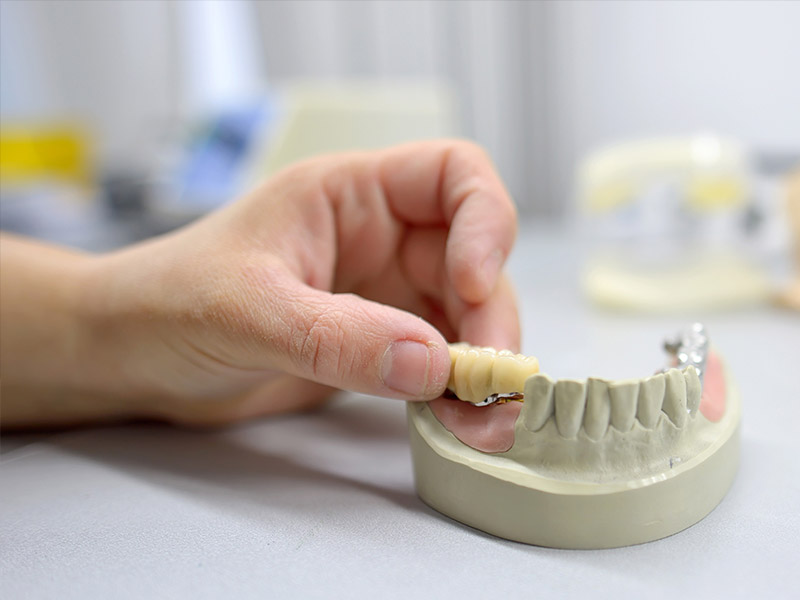
A dental bridge is a fixed restoration that fills the space left by one or more missing teeth. The replacement tooth, called a pontic, sits in the gap and is supported by natural teeth, crowns, or dental implants, depending on the type of bridge being used.
Unlike a removable denture, a bridge remains in your mouth once it has been secured. It is designed to fill the open space, restore part of your smile, and support everyday functions such as eating and speaking. A bridge can also help maintain the position of nearby teeth by occupying the space left by the missing tooth.
The design of a bridge depends on factors such as the location of the missing tooth, the condition of the surrounding teeth and gums, and the type of support available. Before recommending a bridge, our dentist will examine the area and assess whether the surrounding structures can provide suitable support for the restoration.
When May a Dental Bridge Be Recommended?
A bridge may be considered when you have one or more missing teeth and want a fixed replacement option.
Replacing a missing tooth may help:
- Fill the Gap: Replace a missing tooth and restore the appearance of your smile.
- Support Chewing: Help improve chewing function in the area where a tooth is missing.
- Improve Speech: Restore tooth support that may affect speech after tooth loss.
- Maintain Tooth Position: Help limit movement of nearby teeth toward the open space.
- Restore Function: Provide a fixed restoration that supports everyday oral function.
We provide dental bridges in Edmonton after examining your teeth, gums, and bite to determine whether the treatment is suitable for you.
Types of Bridges
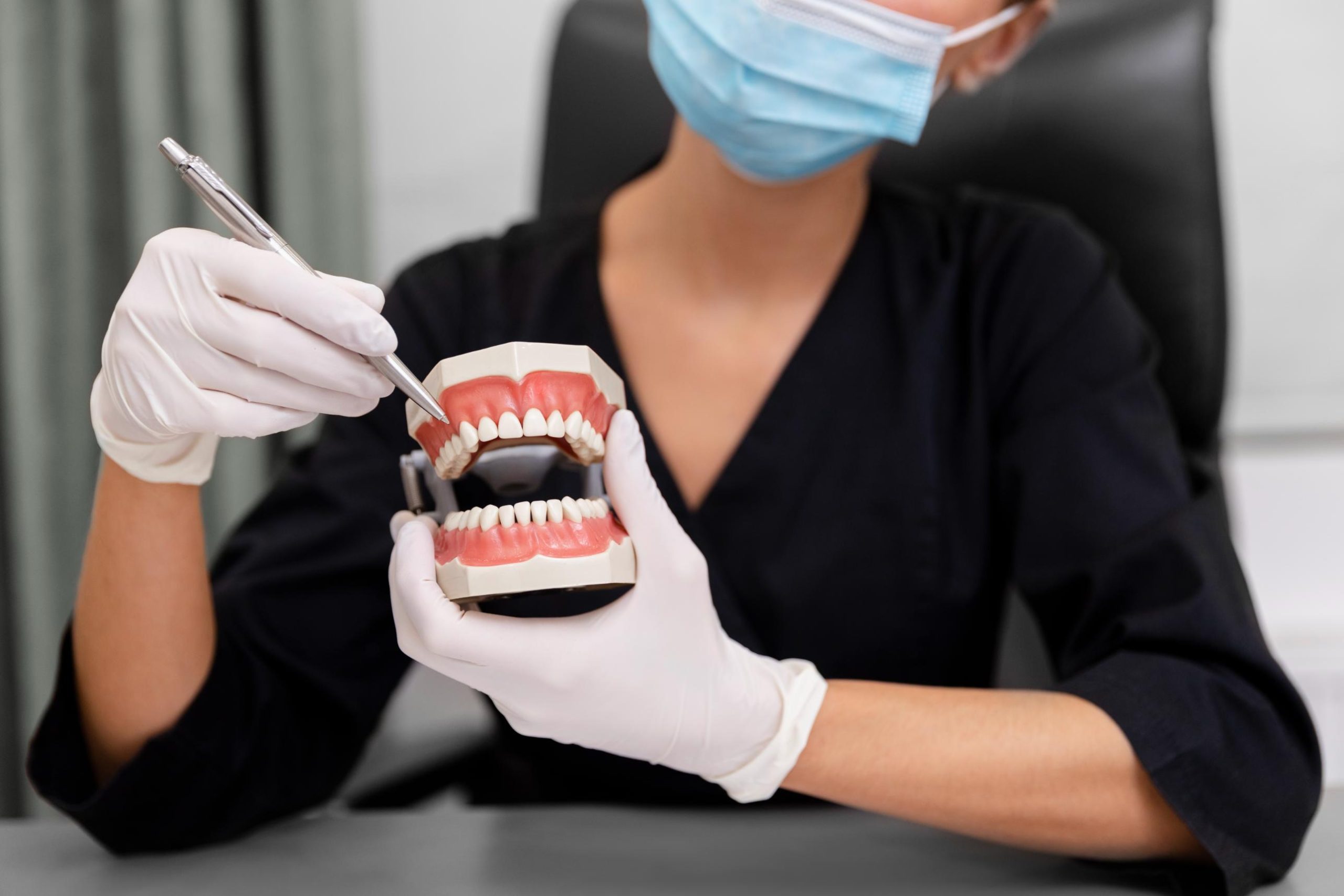
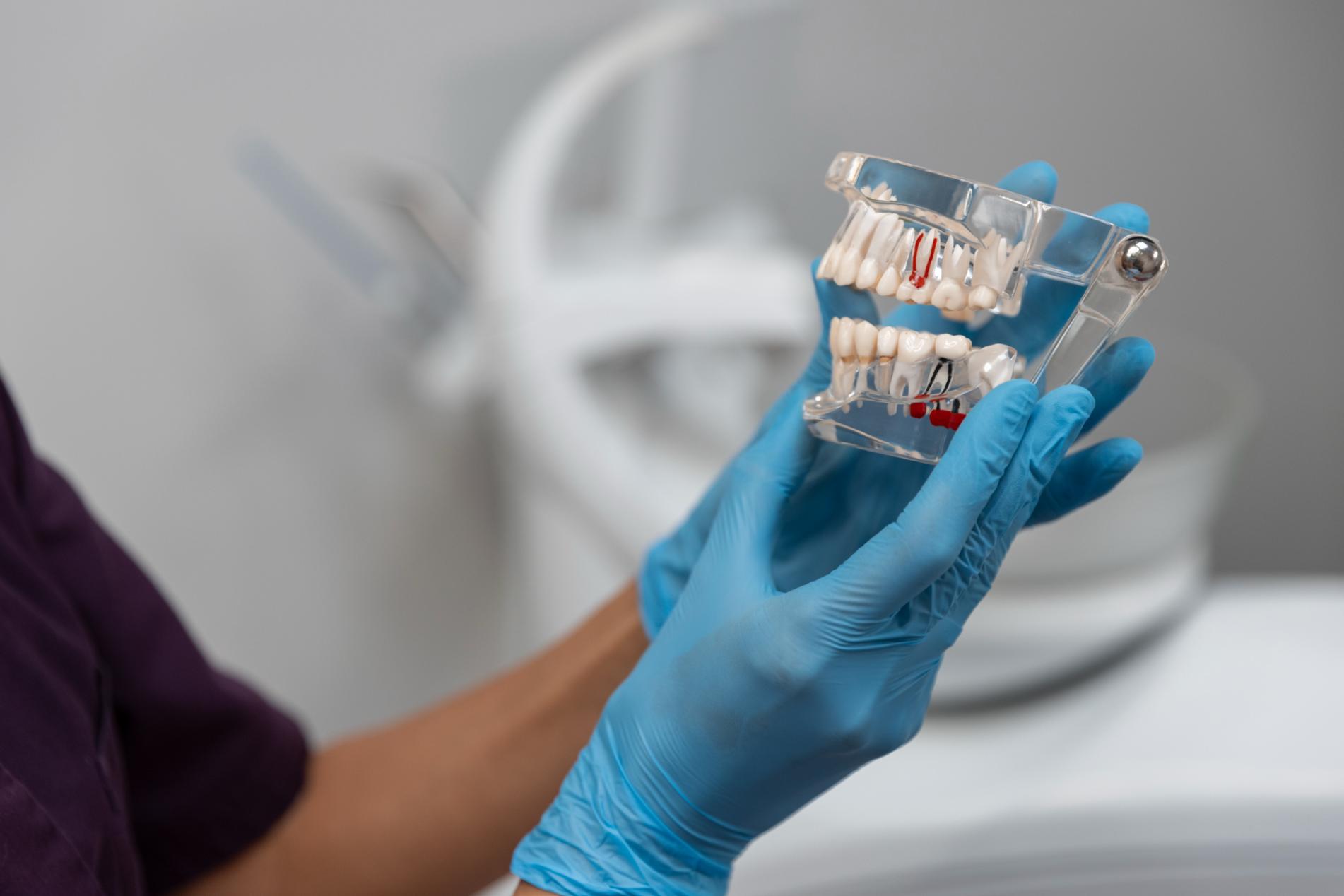
The right type of bridge depends on the location of the missing tooth, the condition of nearby teeth, and how the restoration will be supported.
Traditional Bridge
A traditional bridge usually uses crowns placed on the natural teeth on both sides of the gap. These teeth support the replacement tooth between them.
Cantilever Bridge
A cantilever bridge is supported on only one side of the missing tooth. It may be considered in selected cases where support is available from just one nearby tooth.
Maryland Bridge
A Maryland bridge uses wings that are bonded to the back surfaces of nearby teeth. This design may require less alteration of the supporting teeth than a traditional bridge.
Implant-Supported Bridge
An implant-supported bridge is attached to dental implants rather than relying entirely on natural teeth for support. This may be considered when several teeth are missing.
Dr. McPherson can explain which options may work for your situation after examining your mouth.
What Happens When You Get a Bridge?
The treatment process varies depending on the type of bridge you need. A traditional bridge generally involves several steps.
1. Examining the Area
Dr. McPherson examines the missing-tooth area and the surrounding teeth. Dental X-rays may be taken to help assess the supporting structures.
2. Preparing the Supporting Teeth
For a traditional bridge, the teeth on either side of the gap are reshaped so the crowns can fit securely. The area is numbed first to keep you comfortable during the procedure.
3. Taking an Impression
An impression or scan records the shape of your teeth and bite. This information is used to make a bridge that fits the prepared area.
4. Wearing a Temporary Bridge
A temporary restoration may be placed while the permanent bridge is being made. It protects the prepared teeth until your next appointment.
5. Placing the Final Bridge
When the permanent bridge is ready, we check its fit and make sure your bite feels comfortable. Once the fit is confirmed, the bridge is secured in place.
Benefits of Replacing a Missing Tooth
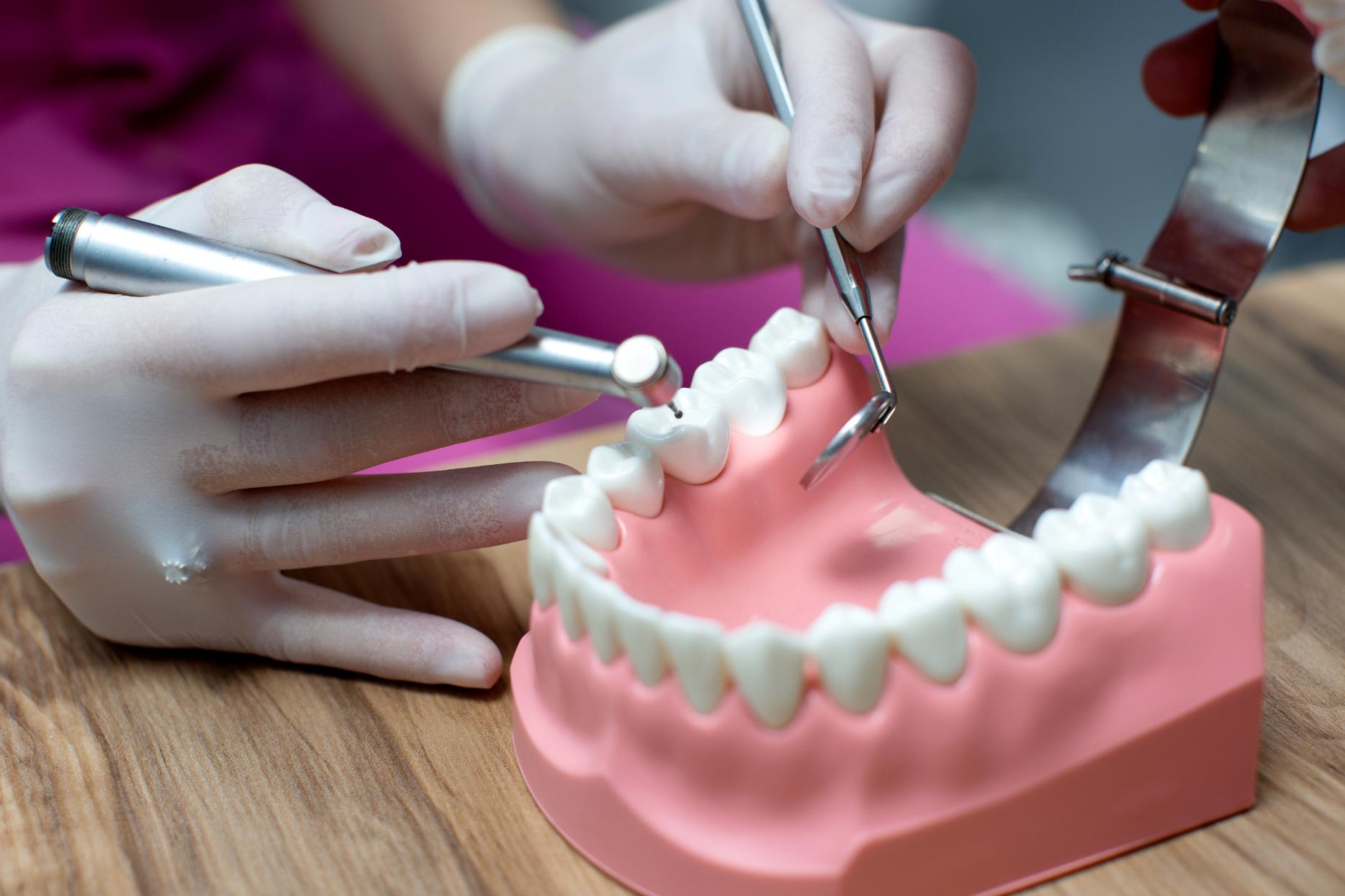
Leaving a gap untreated can affect more than the appearance of your smile. Nearby teeth may gradually move into the space, and chewing may become more difficult on that side of the mouth.
A properly fitted bridge can restore the missing tooth and help distribute biting pressure across the area. It can also provide a fixed option for patients who do not want a removable appliance.
Caring for Your Bridge
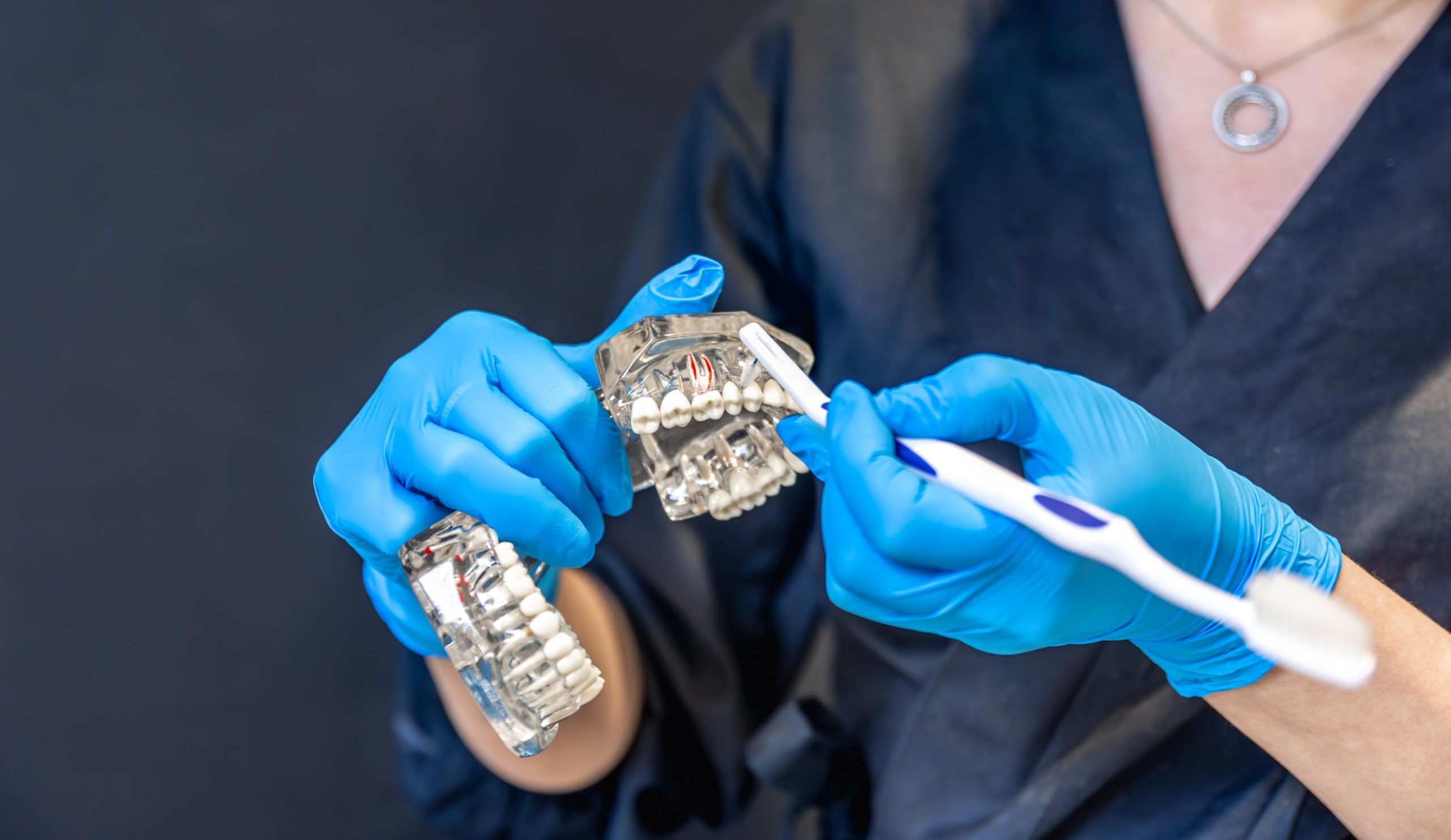
A bridge needs daily care just like your natural teeth. Plaque and food can collect around the supporting teeth and underneath the replacement tooth, so these areas need to be cleaned carefully.
To care for your bridge:
- Brush Twice Daily: Use fluoride toothpaste to clean your teeth and bridge.
- Clean Underneath: Clean beneath the replacement tooth every day.
- Use Additional Cleaning Aids: Use floss threaders or another cleaning aid recommended by our team.
- Avoid Hard Objects: Do not chew ice or other very hard objects that could damage the bridge or supporting teeth.
- Maintain Regular Visits: Keep up with routine dental exams and professional cleanings.
- Report Changes: Contact us if your bridge becomes loose, uncomfortable, or feels different.
Keeping the supporting teeth and gums healthy is important for the long-term condition of the bridge.
How Long Can a Bridge Last?
There is no set lifespan for every bridge. How long it lasts depends on factors such as the health of the supporting teeth, your bite, daily oral care, and normal wear.
Regular dental visits allow us to check the bridge, the teeth supporting it, and the surrounding gums. If we notice wear, looseness, or another concern, we can discuss what should be done next.
Dental Bridge Care at Allendale Dental
If you are considering dental bridges near you, we can examine the area and explain which tooth-replacement options may work for you. Depending on your oral health and preferences, a bridge, implant, denture, or another treatment may be recommended.
At Allendale Dental, we take time to review your options and answer your questions before treatment. We follow the 2026 Alberta Dental Fee Guide, offer direct billing for eligible insurance plans, and provide free parking.
Discuss Your Dental Bridge Options
If you have a missing tooth, our team can evaluate the area and explain whether a bridge may be suitable for replacing it. At Allendale Dental, we provide dental bridges in Edmonton based on your oral health, the condition of surrounding teeth, and your individual needs.
Call Allendale Dental at (780) 434-1313 to schedule an appointment with Dr. Alex McPherson. You can visit our clinic at 10430 61 Ave NW #102, Edmonton, AB T6H 2J3, Canada.
Common Questions About Dental Bridges in Edmonton
Does getting a bridge hurt?
The supporting teeth are usually numbed before they are prepared, which helps keep you comfortable during treatment. Some temporary sensitivity may occur afterward. Contact us if discomfort continues or becomes worse.
Can a bridge look like my natural teeth?
Tooth-coloured materials can be chosen to blend with the teeth around the bridge. The final appearance depends on the location of the restoration, the material used, and your individual smile.
How do I clean underneath a bridge?
Because the replacement tooth is connected to the bridge, regular floss cannot simply pass down between each tooth. A floss threader or another cleaning aid can help clean underneath it. Our team can show you how to clean the area properly.
Can I eat normally with a bridge?
Once you are comfortable with your bridge, you should be able to eat many of your usual foods. Avoid biting very hard objects that could damage the restoration or supporting teeth.
What happens if my bridge becomes loose?
Do not try to repair or reattach it yourself. Contact our clinic so Dr. McPherson can examine the bridge and the supporting teeth and determine whether it can be re-cemented, repaired, or needs replacement.
Is a bridge better than a dental implant?
Neither option is best for everyone. The choice depends on your oral health, the condition of nearby teeth, available bone, treatment preferences, and other factors. We can review both options with you before you decide.