

Some dental concerns may require surgery when other treatment options are not suitable or cannot adequately address the problem. Oral surgery may be considered for badly damaged teeth, impacted teeth, ongoing infections, or certain conditions affecting the gums and supporting bone. The recommended approach depends on the condition being treated and the surrounding oral structures.
At Allendale Dental, Dr. Alex McPherson will examine the affected area, review your medical and dental history, and discuss your concerns before recommending treatment. We provide oral surgery in Edmonton based on your individual needs and the specific condition being addressed. Our team will explain the procedure, what you can expect during treatment, and any instructions you may need to follow during recovery.

What Is Oral Surgery?
Oral surgery refers to dental procedures that involve the teeth, gums, jaw, or surrounding tissues. These procedures may be recommended when a dental concern cannot be adequately addressed with routine or non-surgical treatment. Tooth extraction is one of the more common oral surgery procedures, including the removal of teeth that are severely damaged, impacted, or causing ongoing problems.
Oral surgery may also involve treating certain conditions affecting the gums or supporting bone, depending on the patient’s needs. The type of procedure recommended depends on the condition of your mouth, the tooth or tissue involved, and the surrounding structures.
When May Oral Surgery Be Needed?
Surgical treatment may be considered when a dental problem cannot be managed with a filling, crown, root canal, or another less invasive treatment.
Reasons may include:
- Severely Damaged Teeth: Remove teeth that are too decayed or damaged to restore.
- Unrestorable Broken Teeth: Treat broken teeth that cannot be repaired or restored.
- Problematic Wisdom Teeth: Remove impacted or troublesome wisdom teeth when necessary.
- Persistent Infection: Address ongoing infection surrounding a tooth when removal is recommended.
- Pre-Treatment Removal: Remove a tooth when necessary before another dental treatment.
- Gum & Bone Concerns: Address certain problems involving the gums or supporting bone.
Before recommending oral surgery, we will discuss the reason for treatment, what the procedure involves, and what you can expect afterward.


Types of Oral Surgery
Different oral surgery procedures may be recommended depending on the condition of your teeth, gums, jaw, and supporting tissues. After an examination, Dr. McPherson can explain which treatment may be appropriate and whether referral to another provider is needed.
Wisdom Teeth Removal
Wisdom teeth may need to be removed if they are impacted, painful, infected, or affecting nearby teeth. The type of extraction depends on how the tooth is positioned and how much of it has erupted.
Dental Implant Surgery
Dental implants are placed into the jawbone to support replacement teeth. Before implant treatment, the mouth and available bone need to be assessed to determine whether this option is suitable.
Jaw and TMJ-Related Procedures
Jaw pain, difficulty chewing, or problems with jaw movement may require further evaluation. Depending on the cause, treatment may involve dental care, another form of management, or referral for surgical assessment.
Bone and Soft Tissue Grafting
Grafting can help rebuild areas where bone or gum tissue has been lost. It may be recommended before dental implant treatment or as part of other restorative care.
Treatment of Oral Lesions and Other Abnormalities
Unusual lumps, sores, cysts, or tissue changes should be examined. Depending on the findings, further testing, treatment, or referral may be recommended.
What Happens Before the Procedure?
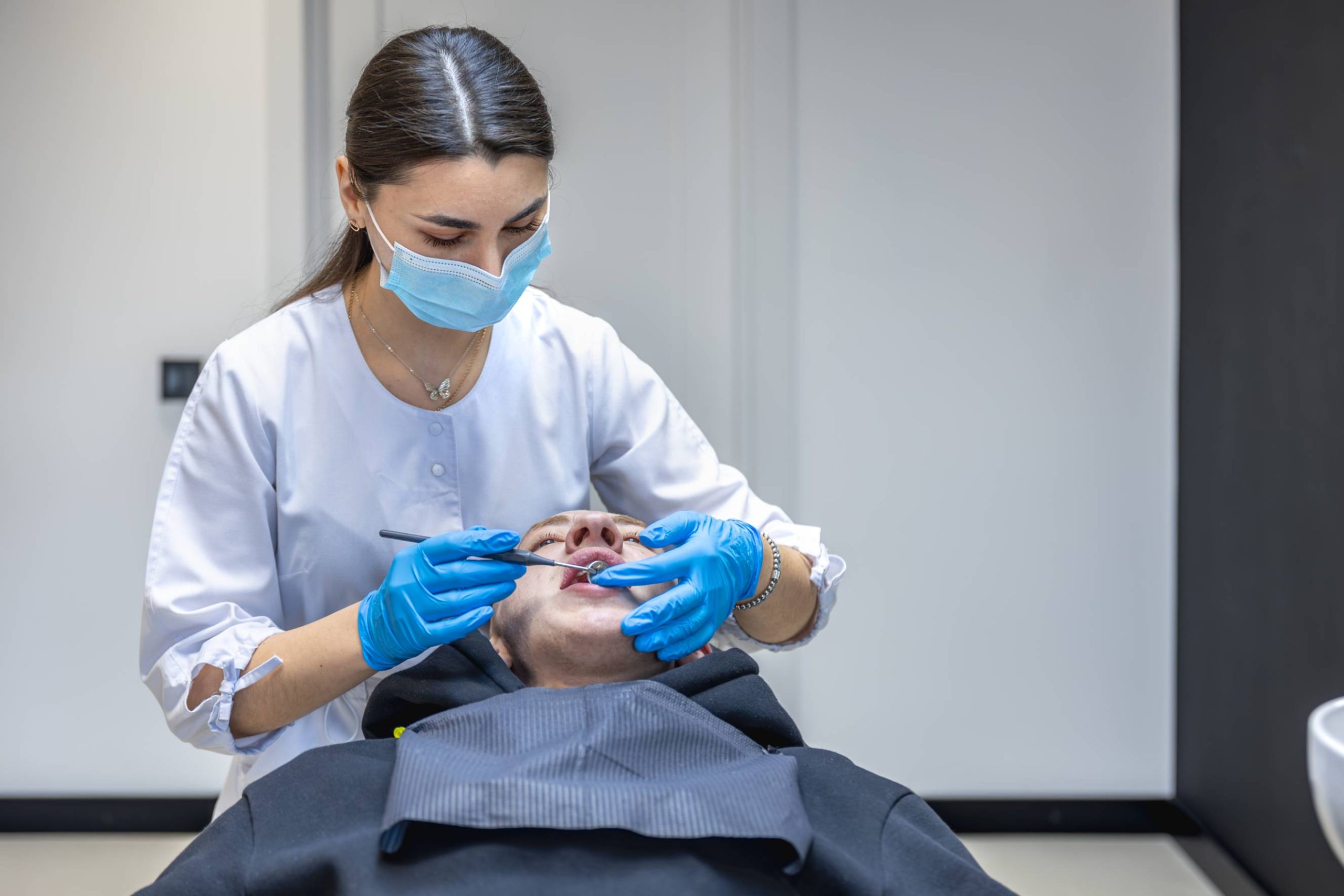
Your visit begins with a careful assessment. Dr. McPherson may examine the tooth and surrounding tissues and take dental X-rays when needed.
We will also review your medical history, medications, allergies, and any health conditions that could affect treatment or healing. Be sure to let us know about any medications or supplements you take.
Once the assessment is complete, we will explain the recommended procedure and give you instructions on how to prepare.


What to Expect During Oral Surgery
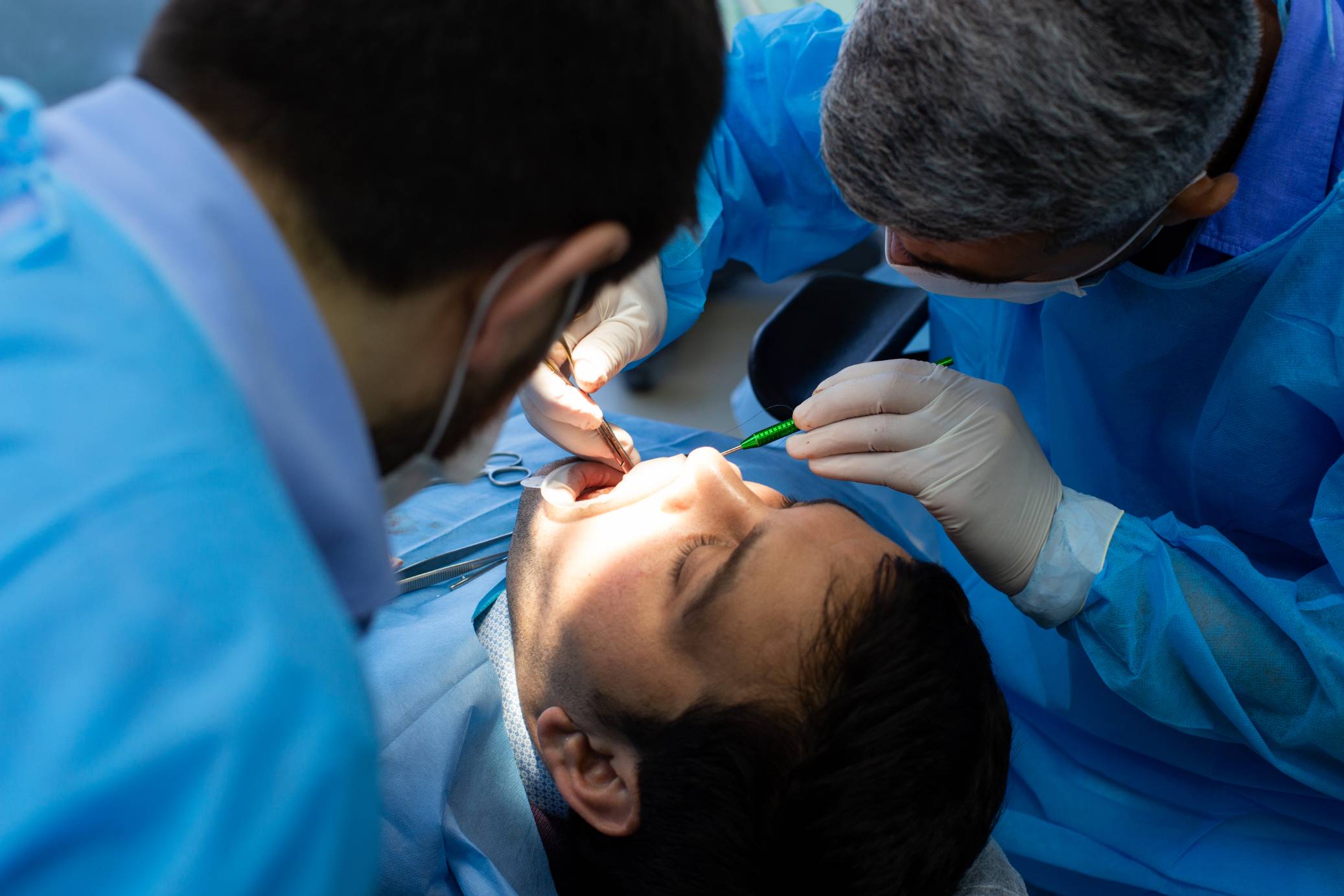
The treatment depends on the procedure you need. For a tooth extraction, we usually numb the area first so you can stay comfortable.
The dentist then loosens and removes the tooth. If the tooth is impacted, broken, or difficult to reach, the procedure may involve a few additional steps. Before treatment begins, we will explain the procedure and answer any questions you have.
After Oral Surgery
Some swelling, tenderness, and mild bleeding can occur after dental surgery. These symptoms usually improve as the area heals.
Follow the instructions provided by our dentist. Depending on your procedure, you may be advised to:
- Reduce Swelling: Apply a cold compress as needed to help manage swelling.
- Choose Soft Foods: Eat soft foods while the treated area remains tender.
- Skip Straws: Avoid drinking through a straw during the initial recovery period.
- Rinse Gently: Avoid vigorous rinsing during the first part of your recovery.
- Brush With Care: Brush gently around the surgical area without disturbing the healing site.
- Follow Medication Instructions: Take medications only as directed by our dental team.
Eating After a Tooth Extraction
Soft foods are usually easier to manage during the first part of recovery. Foods such as yogurt, scrambled eggs, mashed potatoes, soup that has cooled, and smoothies eaten with a spoon may be easier on the surgical site.
Avoid foods that are hard, crunchy, very hot, or difficult to chew until the area is healing well. Our dentist will let you know when you can gradually return to your normal diet.
Why Choose Allendale Dental for Oral Surgery?
If you are looking for oral surgery near you, an examination can help determine whether surgical treatment is actually necessary. Some dental concerns may have more than one treatment option.
At Allendale Dental, we explain our findings and answer your questions before moving forward. Our practice follows the 2026 Alberta Dental Fee Guide, offers direct billing for eligible insurance plans, and provides free parking.

Schedule a Consultation
If you have a painful, damaged, or impacted tooth, an examination can help determine what treatment is needed. Dr. McPherson can assess the area and discuss whether oral surgery in Edmonton is appropriate for your situation.
Call Allendale Dental at (780) 434-1313 to schedule an appointment. Our clinic is located at 10430 61 Ave NW #102, Edmonton, AB T6H 2J3, Canada.
Common Questions About Oral Surgery
Is oral surgery painful?
We usually numb the area before treatment. You may notice some pressure during the procedure, and the area can feel sore afterward for a short time.
How long does it take to recover?
Recovery depends on the procedure. A straightforward tooth extraction may require only a few days before you feel more comfortable, while a more involved procedure can take longer to heal. Our dentist will give you instructions based on your treatment.
Can I eat spicy food after tooth extraction?
It is usually best to avoid spicy foods during the early stages of healing because they may irritate the extraction site. Choose soft, mild foods at first and follow the eating instructions provided after your procedure.
When can I brush my teeth after an extraction?
You can usually continue brushing the rest of your teeth, but be gentle around the extraction site. Avoid scrubbing directly over the healing area until our dentist says it is safe to do so.
Can I use a straw after oral surgery?
It is generally best to avoid straws during early healing after an extraction. The suction can disturb the blood clot that forms over the site and may interfere with healing.
How do I know if a tooth needs to be removed?
A tooth may need extraction if it is badly damaged, infected, impacted, or cannot be restored predictably. Dr. McPherson will examine the tooth and discuss available treatment options before recommending removal.