

The grooves on the back teeth can be difficult to clean with a toothbrush. Food and bacteria may collect in these areas, which can increase the risk of cavities.
At Allendale Dental, Dr. Alex McPherson provides dental sealants in Edmonton as a preventive option for teeth that may be more prone to decay. They are often used on molars and other teeth with deep pits or grooves.
What Are Dental Sealants?
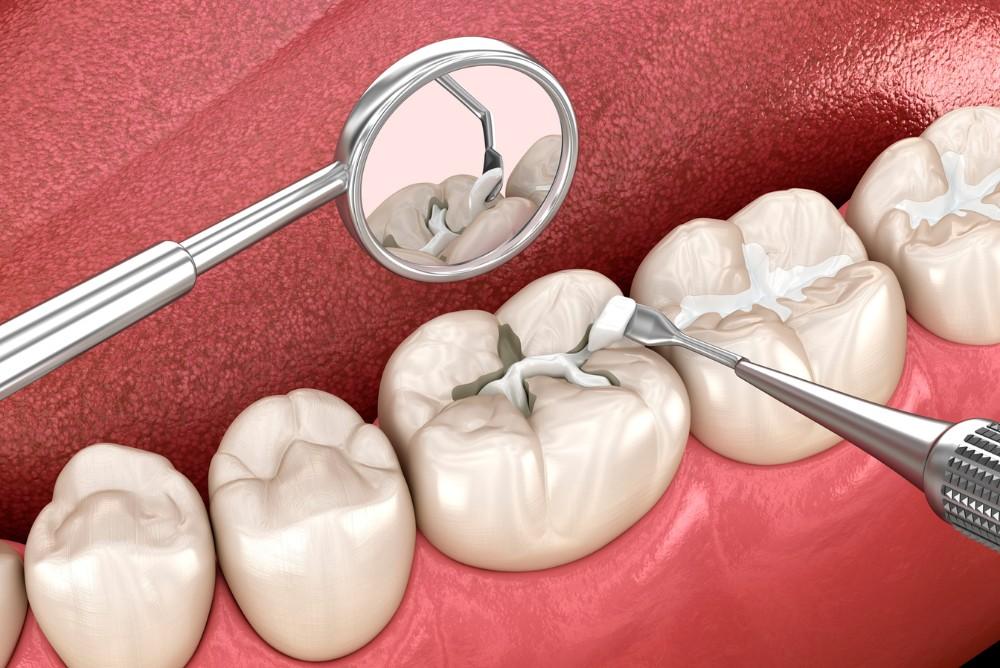
Dental sealants are thin protective coatings placed over the chewing surfaces of certain teeth. They cover small grooves where plaque and food can collect and create a smoother surface that is easier to keep clean.
Sealants do not replace brushing, flossing, fluoride, or regular dental visits. Instead, they add another layer of protection to areas that may be harder to reach during daily brushing.
Who May Benefit From Dental Sealants?
Dental sealants are commonly recommended for children and teenagers when their permanent molars begin to erupt, particularly when the teeth have deep grooves or pits that can be difficult to clean thoroughly. Applying a sealant to these areas can provide an added layer of protection as young patients develop consistent brushing and oral hygiene habits.
Adults may also be candidates for sealants when certain teeth are difficult to keep clean or have grooves that tend to collect food particles and plaque. Our dentist can assess the shape and condition of your teeth and determine whether sealants may be appropriate based on your individual oral health needs.

How Are Dental Sealants Applied?
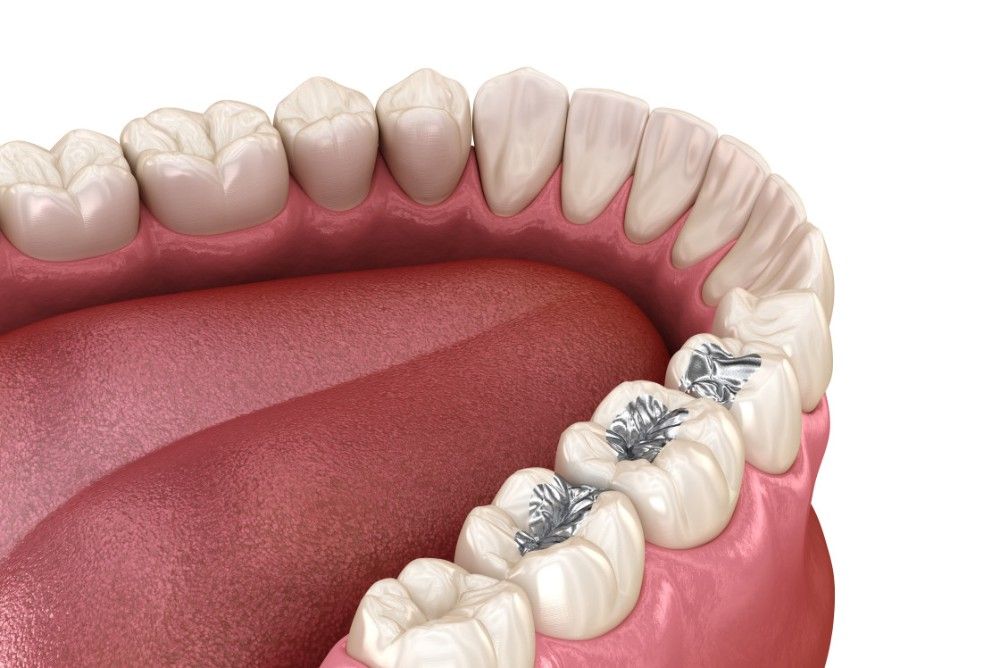
Applying a sealant is usually a simple procedure and does not require drilling into a healthy tooth.
1. Cleaning the Tooth
We clean the tooth to remove plaque and food from the grooves before placing the sealant.
2. Preparing the Tooth Surface
The tooth is dried and treated with a special solution that helps the sealant bond to the enamel.
3. Placing the Sealant
The liquid sealant is brushed into the pits and grooves on the chewing surface of the tooth.
4. Setting and Checking the Sealant
A curing light hardens the sealant in place. Afterward, the dentist checks the coverage and makes sure your bite feels comfortable.
Benefits of Dental Sealants
Sealants can be useful for teeth with deep grooves that are harder to clean.
They may help:
- Block Food & Plaque: Cover areas where food particles and plaque can collect.
- Reduce Cavity Risk: Help lower the risk of cavities on treated tooth surfaces.
- Simplify Cleaning: Make deep grooves easier to keep clean during daily brushing.
- Protect New Molars: Help protect newly erupted permanent molars during their early years.
- Support Preventive Care: Complement regular brushing, flossing, and other preventive dental habits.
- Help Prevent Fillings: Reduce the need for fillings in areas where decay is successfully prevented.
Sealants protect only the areas where they are applied, so daily brushing and flossing are still important.

Dental Sealants for Children
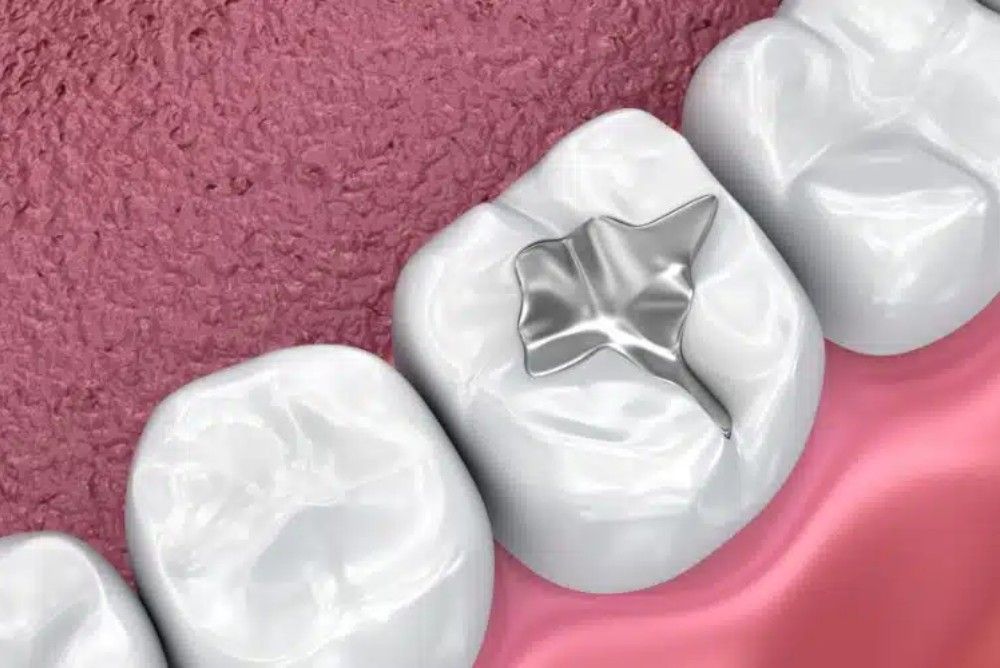
Children’s permanent molars often have grooves that can be difficult to brush well. Sealants may be recommended after these teeth have fully come through the gums.
The procedure is usually quick and does not involve removing healthy tooth structure. We explain each step in simple terms and help children know what to expect before we begin.
Can Adults Get Dental Sealants?
Yes. Sealants are not limited to children. Some adults have healthy teeth with deep pits or grooves that may benefit from added protection.
Our dentist can examine the tooth and determine whether a sealant is suitable based on the condition of the enamel and whether decay or an existing restoration is already present.

How Long Do Dental Sealants Last?
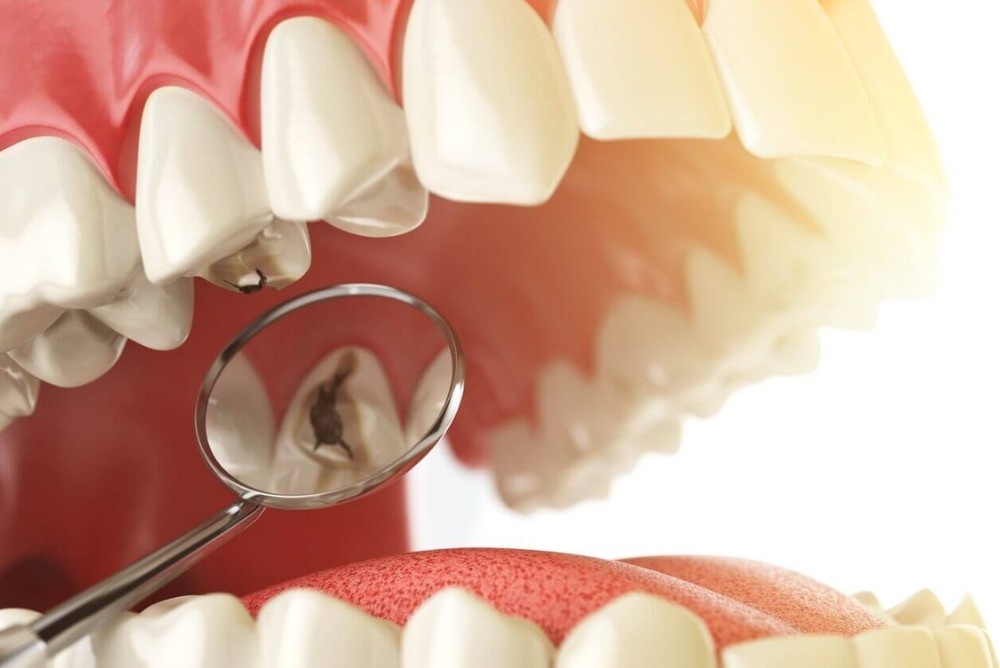
Sealants can gradually wear over time. How long they remain in place depends on factors such as your bite, chewing habits, the tooth involved, and normal wear.
During routine dental exams, we can check your sealants for signs of wear or damage. If part of a sealant has worn away, it may be repaired or replaced when appropriate.
Caring for Teeth With Sealants
Teeth with sealants do not require complicated care. Keep brushing and flossing as you normally would and attend your regular dental visits.
You can help care for your teeth through:
- Brush Twice Daily: Use fluoride toothpaste every morning and before bed.
- Floss Regularly: Clean between your teeth with floss to remove plaque and food particles.
- Limit Sugary Foods: Reduce your intake of sugary snacks and drinks.
- Keep Up With Dental Visits: Attend routine dental exams and cleanings as recommended.
- Watch for Changes: Let us know if a sealed tooth feels sore or unusual.
Sealants are more effective when combined with good daily oral hygiene and regular dental care.

Preventive Care at Allendale Dental
If you are looking for dental sealants near you, an examination is the first step in finding out whether they are appropriate for you or your child.
At Allendale Dental, we recommend preventive treatment based on the condition of each tooth rather than using the same approach for every patient. We can explain where a sealant may be useful and answer any questions you have before treatment.
We follow the 2026 Alberta Dental Fee Guide and offer direct billing for eligible insurance plans. Free parking is available at our clinic at 10430 61 Ave NW #102, Edmonton, AB T6H 2J3, Canada
Book a Dental Sealant Appointment
If you want to know whether sealants could help protect your teeth or your child’s teeth, our team can take a closer look during an examination.
If you are considering dental sealants in Edmonton, contact Allendale Dental to learn more or schedule an appointment with Dr. Alex McPherson. Call (780) 434-1313 or request an appointment through our website.
Common Questions About Dental Sealants
Are dental sealants only for children?
No. Children and teenagers commonly receive sealants, but some adults may benefit from them as well. Our dentist can check the grooves of your teeth and determine whether sealants would be useful.
Does getting a dental sealant hurt?
Sealants are placed on the surface of the tooth and usually do not require drilling or removal of healthy enamel. Most patients find the process easy to manage.
What are the benefits of teeth sealants?
Sealants help protect the deep grooves of the back teeth where food and plaque can collect. They can lower the risk of cavities in these areas and work alongside regular brushing, flossing, fluoride, and dental visits.
Do sealants replace brushing and flossing?
No. Sealants help protect certain areas of the teeth, but regular brushing and flossing are still important. You should also continue with routine dental exams and cleanings.
Can a sealant come off?
Yes. Sealants can wear down or come loose over time. We check them during routine dental exams and can recommend repair or replacement if needed.
Can you put a sealant over a cavity?
A tooth should be examined before a sealant is placed. If decay is already present, the dentist will determine whether the tooth needs treatment rather than simply covering the area with a sealant.