

Small chips, gaps, uneven edges, and certain areas of discolouration can sometimes be improved without extensive dental treatment. At Allendale Dental, we provide dental bonding in Edmonton using tooth-coloured composite resin to make subtle changes to the shape and appearance of a tooth.
If you are considering dental bonding near you, Dr. Alex McPherson can examine your teeth and discuss whether bonding is suitable for the change you would like to make. Our team will consider the condition of the tooth, the extent of the concern, and your individual needs before recommending treatment.

What Is Dental Bonding?
Dental bonding is a cosmetic treatment that uses composite resin applied directly to the tooth. The material is shaped and polished so it blends with the surrounding teeth and creates a natural-looking appearance.
As bonding usually requires little alteration to the natural tooth, it may be an option for patients who want to address a minor cosmetic concern. The treatment is planned according to the tooth being treated and the type of change you would like to make.
What Can Dental Bonding Improve?
Bonding may be used to make several small changes to the appearance of your smile, including:
- Repair Minor Chips: Restore small areas where the edge of a tooth has chipped.
- Smooth Uneven Edges: Refine irregular or uneven tooth edges.
- Close Small Gaps: Reduce the appearance of minor spaces between teeth.
- Reshape Teeth: Adjust the size, contour, or shape of a tooth.
- Address Discolouration: Cover certain areas of discolouration with tooth-coloured resin.
- Improve Worn Teeth: Enhance the appearance of a slightly worn tooth.
We provide dental bonding in Edmonton after examining the tooth to determine whether bonding is appropriate. Larger fractures, significant decay, or other structural concerns may require a different treatment.


How Dental Bonding Is Done
Dental bonding is completed directly on the tooth and generally involves several steps.
1. Selecting the Resin Shade
A composite resin shade is selected to blend with your natural teeth and the area being treated.
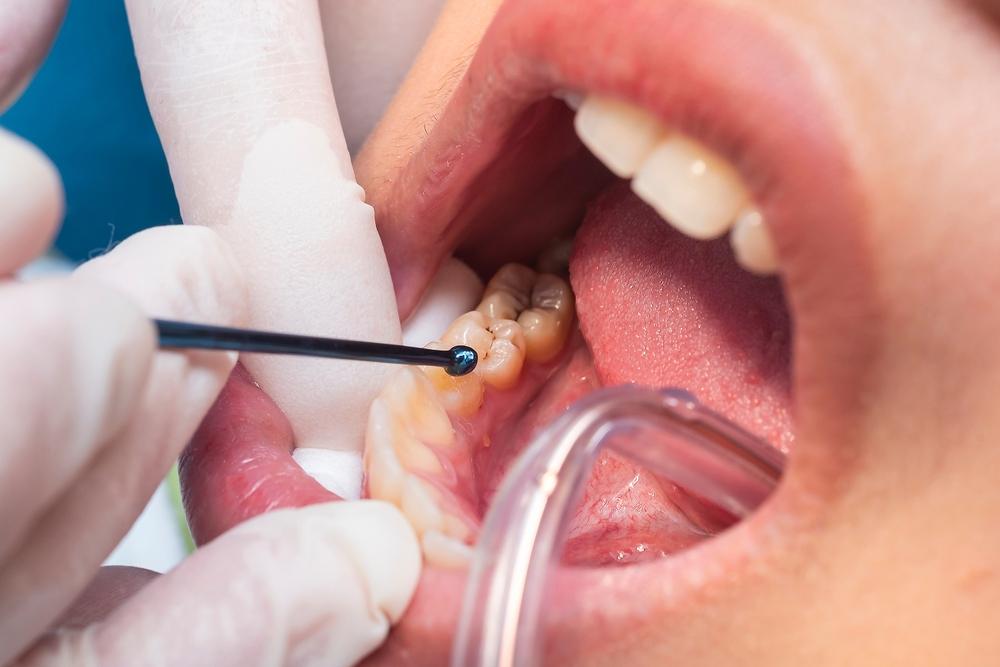
2. Preparing the Tooth
The tooth is gently prepared to help the bonding material adhere properly. The amount of preparation required depends on the tooth and the correction being made.
3. Applying and Shaping the Resin
The composite resin is placed directly on the tooth and shaped to create the desired size and contour.
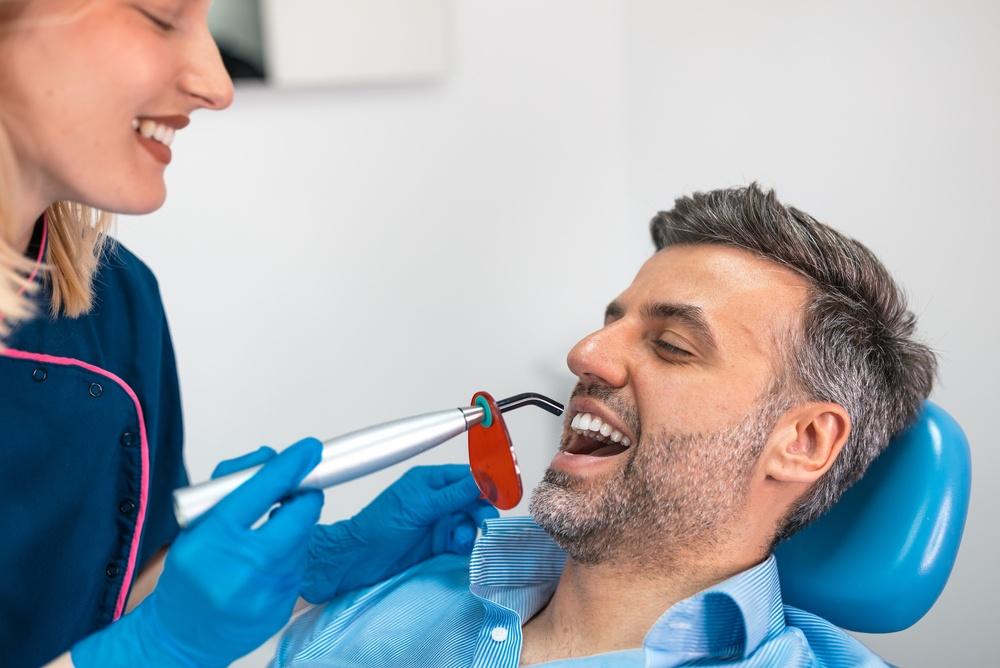
4. Hardening the Resin
A curing light is used to harden the resin and secure it to the tooth.
5. Shaping and Polishing
Once the resin has hardened, we make any necessary adjustments and polish the tooth. This helps the bonded area feel smooth and blend with the surrounding tooth.
Benefits of Dental Bonding
Bonding can be a practical option for addressing smaller cosmetic concerns. Depending on your needs, it may offer:
- Tooth-Coloured Results: Composite resin can be matched to the surrounding teeth.
- Limited Tooth Preparation: Bonding generally requires little alteration to natural tooth structure.
- Efficient Treatment: Smaller bonding procedures can often be completed in one visit.
- Minor Chip Repair: It can help restore small chips and uneven areas.
- Small Gap Improvement: Bonding may improve the appearance of minor spaces between teeth.
- Shape Enhancement: It can be used to make subtle changes to tooth shape and contour.
Bonding is not appropriate for every cosmetic or restorative concern, so an dental exam is important before treatment.

Is Dental Bonding Right for You?
Bonding often works well when the concern is limited to a small area of the tooth. It may be suitable when the tooth is otherwise healthy and you want to address a minor cosmetic issue.
If the tooth has a large fracture, significant decay, heavy wear, or requires additional structural support, Dr. McPherson may discuss another option, such as a crown or other restorative treatment. The recommended approach will depend on the condition of the tooth and your individual needs.
Caring for Bonded Teeth
Bonded teeth do not require a separate cleaning routine, but the composite resin can chip, wear, or stain over time. Good daily oral care and regular dental visits can help us monitor the treated area.
To care for bonded teeth:
- Brush Twice Daily: Use fluoride toothpaste to clean your teeth morning and night.
- Floss Every Day: Clean between your teeth to help remove plaque and food particles.
- Avoid Hard Habits: Do not bite your nails or chew ice.
- Use Your Teeth Properly: Avoid using your teeth to open packages or bite non-food items.
- Maintain Dental Visits: Keep up with regular dental exams and dental cleanings.
- Report Changes: Let us know if the bonded area feels rough, loose, chipped, or damaged.
If you grind or clench your teeth, discuss your habits with Dr. McPherson to determine whether additional protection may be appropriate.

How Long Does Dental Bonding Last?
The lifespan of dental bonding varies from person to person. Factors such as the location of the bonding, amount of resin used, bite, oral habits, and daily dental care can affect how well it holds up over time.
Bonding can sometimes chip or become stained and may eventually require polishing, repair, or replacement. During regular dental visits, we can check the condition of the bonded tooth and discuss any changes that may need attention.
Bonding Care at Allendale Dental
If you are considering dental bonding, an examination can help determine whether bonding is suitable for the tooth and the change you would like to make.
At Allendale Dental, Dr. Alex McPherson takes time to assess the tooth, explain the available options, and answer your questions before treatment. Our clinic follows the 2026 Alberta Dental Fee Guide, offers direct billing for eligible insurance plans, and provides free parking.
Explore Your Dental Bonding Options
If you have a chipped, uneven, worn, or discoloured tooth, Dr. McPherson can assess the area and explain whether bonding may be suitable. At Allendale Dental, we focus on understanding your concerns and recommending treatment based on the condition of your teeth and your individual needs.
Call Allendale Dental at (780) 434-1313 to arrange an appointment with Dr. Alex McPherson. Our clinic is located at 10430 61 Ave NW #102, Edmonton, AB T6H 2J3, Canada.
Common Questions About Dental Bonding
Does dental bonding hurt?
Bonding usually involves working on the outer surface of the tooth, so local anesthetic may not always be needed. Whether numbing is used depends on the tooth and the type of treatment being performed.
Can dental bonding stain?
Yes. Composite resin can pick up stains over time, particularly with exposure to coffee, tea, tobacco, and strongly coloured foods or drinks. Regular brushing and professional cleanings can help maintain its appearance.
Can dental bonding be removed?
Bonding material can often be removed or replaced by a dentist. The approach depends on how the tooth was prepared and how much resin was applied. Dr. McPherson can examine the area and explain what options are available.
Can a bonded tooth chip?
Yes. Although bonding is durable, the material can chip when exposed to excessive pressure. Avoid chewing ice, biting hard objects, or using your teeth as tools.
How long does a bonding appointment take?
Appointment time depends on the number of teeth being treated and the amount of work required. A small bonding procedure can often be completed during a single visit.
Is bonding the same as a veneer?
No. Bonding uses composite resin that is applied and shaped directly on the tooth. A veneer is a separate restoration placed over the front surface of a tooth. Our dentist can discuss which option may be appropriate for your needs.