

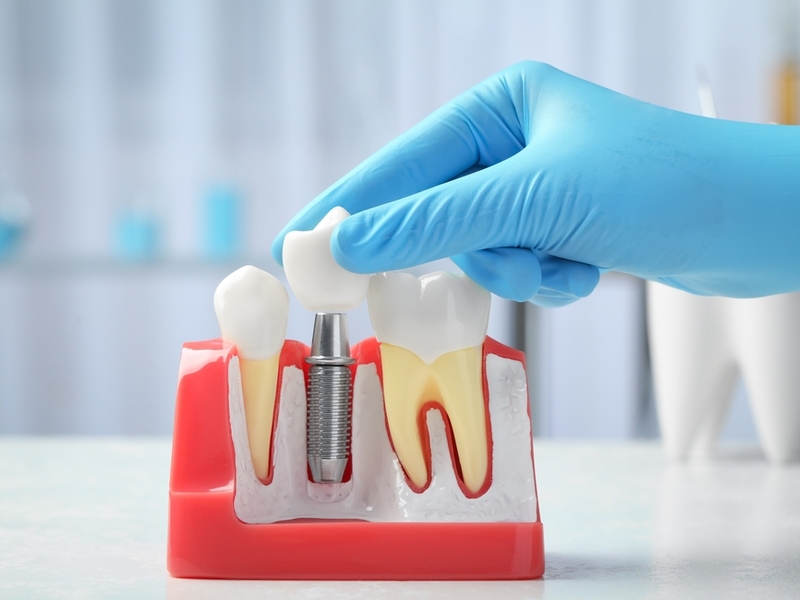
A dental crown is like a strong helmet that protects a tooth that has been cracked or weakened. While these covers are made to be very tough, they do not stay perfect forever. If you have dental crowns in Edmonton, you might wonder how long yours will last before you need a new one. On average, these protective caps can remain in good shape for 10 to 15 years. Knowing the warning signs that it is time for a change helps you keep your mouth healthy and prevents pain before it starts.
How Can You Tell if a Crown Is Cracked?
Over many years of chewing crunchy or hard foods, the material of a crown can start to wear down. You might notice a tiny line or a chip on the surface. Even a small crack is a big deal because it allows bacteria to crawl underneath the cap. Once germs get inside, they can cause a cavity in the natural tooth beneath the crown. If you feel a rough edge with your tongue, you should visit a clinic to have a professional look at the damage.
Why Does the Gum Line Look Different?
Sometimes, you might see a dark line right where the tooth meets the gum. Such a change often happens with older styles of crowns that have metal inside them. As your gums change shape or pull back over time, that metal edge becomes visible. While this isn’t always a health emergency, many people choose to replace it with a better look. A dentist can swap the old one for a modern version made entirely of porcelain, which looks just like a natural tooth and does not show dark edges.
- Gum Recession: Gums can pull away due to age or brushing too hard.
- Metal Exposure: Older crowns show a dark ring as the gums move.
- Aesthetic Choice: Modern materials blend in better with your smile.
- Cleaning Access: If the gum moves too far, it becomes harder to keep the area clean.
Is Pain a Sign of a Failing Crown?
If you feel a sharp zing when you drink cold water or a dull ache when you bite down, your crown might be failing. That problem usually means the seal that holds the cap to the tooth has broken. When the “glue” washes away, the sensitive part of your tooth is exposed to air and food. Visiting a dental clinic allows a professional to test the seal. If it is loose, they can remove the old cap, clean the tooth, and put a fresh, tight-fitting one in its place.
Can a Crown Become Loose Without Falling Off?
Sometimes a crown stays on the tooth but feels slightly “wobbly” when you eat. This is a major warning sign. A loose crown acts like a pocket that traps sugar and food particles. Because you cannot brush inside that pocket, the tooth underneath can rot very quickly. If you notice any movement, even a tiny bit, it is time to seek help from a dental clinic. Catching a loose cap early can save the tooth from needing a much more expensive treatment later on.
Does the Age of the Crown Matter?
Just like a pair of shoes, crowns eventually wear out from daily use. If yours is more than ten years old, it is smart to have it checked more closely during your regular exams. Even if it feels fine, the materials can become thin over time. A dentist uses special tools and X-rays to see if the material is still strong enough to handle the pressure of your bite. Regular maintenance at a dental clinic in Edmonton ensures that an old crown doesn’t suddenly snap or fall off while you are eating dinner.
- Material Wear: Porcelain can get thin after thousands of meals.
- Seal Breakdown: The bonding material can slowly dissolve over a decade.
- Structural Integrity: Older crowns might not be as strong as new technology.
- X-ray Checks: Dentists look for hidden decay through the digital images.
How Can You Make a New Crown Last Longer?
When you finally get a replacement, you want it to last as long as possible. The secret is simple: treat it like a real tooth. Brushing twice a day and flossing around the base prevent the gum disease that causes crowns to fail. Also, avoid using your teeth as tools to open packages or biting down on ice. If you grind your teeth at night while you sleep, wearing a night guard can protect the porcelain from cracking under the pressure.
Why Should You Act Quickly?
Waiting too long to replace a broken cap can lead to an infection in the root of your tooth. If the tooth underneath gets too much decay, a simple crown replacement might turn into a root canal or even an extraction. By watching for the signs and visiting a dental clinic near you at the first hint of trouble, you keep the procedure simple and painless. Taking care of small issues today prevents big problems tomorrow.
Stay Comfortable, Stay Healthy
Don’t wait for a broken tooth to cause a headache. Our expert team is ready to help you refresh your dental work and ensure your mouth stays healthy and pain-free. We prioritize your comfort and use the latest methods to give you a smile that you can rely on every single day.
Schedule your visit today at Allendale Dental to have your dental work checked by our friendly team.
Frequently Asked Questions
How long does the replacement process take?
Replacing a crown usually takes two visits. During the first visit, the old cap is removed, and a mould is made. You wear a temporary one for about two weeks while the permanent one is created in a lab. The second visit is when the final, strong crown is attached.
Is it painful to have an old crown removed?
No, the process is very comfortable. The area is numbed just like when you get a filling. You might feel some pressure, but you should not feel any sharp sensations while the team works on your tooth.
What happens if my crown falls off at home?
If your crown comes off, keep it in a safe place and call the clinic as soon as possible. Do not try to glue it back on yourself. A dental professional will need to clean the tooth and use dental-grade cement to reattach it, or determine if a new crown is needed.
Can I get a crown made of something other than metal?
Yes! Most modern versions are made of high-strength porcelain or ceramic. These materials are very tough and can be matched to the exact colour of your other teeth so that no one can tell you even have one.