

Missing teeth can affect chewing, speech, and the appearance of your smile. At Allendale Dental, we provide dental implants in Edmonton as a fixed option for replacing missing teeth. An implant uses a small post placed in the jawbone to support a crown, bridge, or denture, depending on your treatment plan.
If you are considering dental implants near you, Dr. Alex McPherson can examine your mouth and discuss whether implant treatment may be suitable for you. Our team will consider your oral health, the condition of your gums and jawbone, the number of missing teeth, and other factors before recommending an appropriate approach.
What Are Dental Implants?
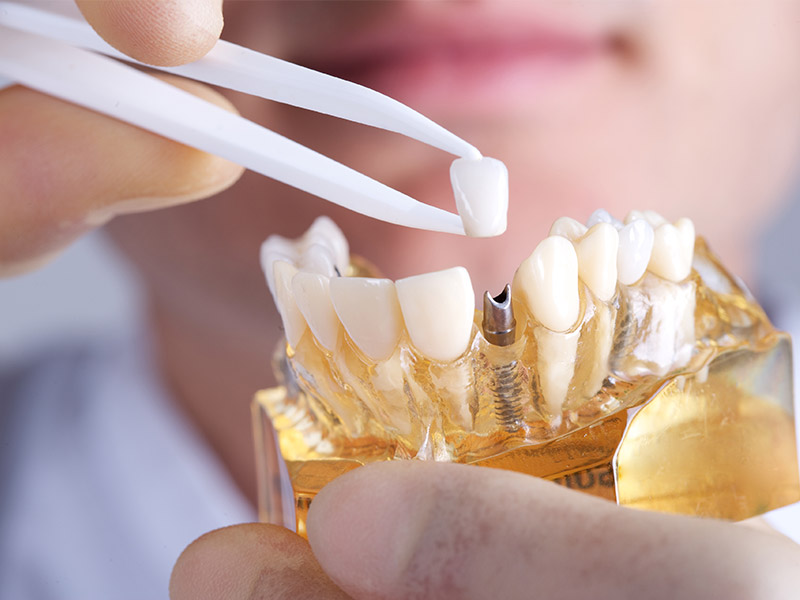
A dental implant is a small post placed into the jawbone where a tooth is missing. Once the surrounding bone has healed around the implant, it can provide support for a replacement tooth or another dental restoration.
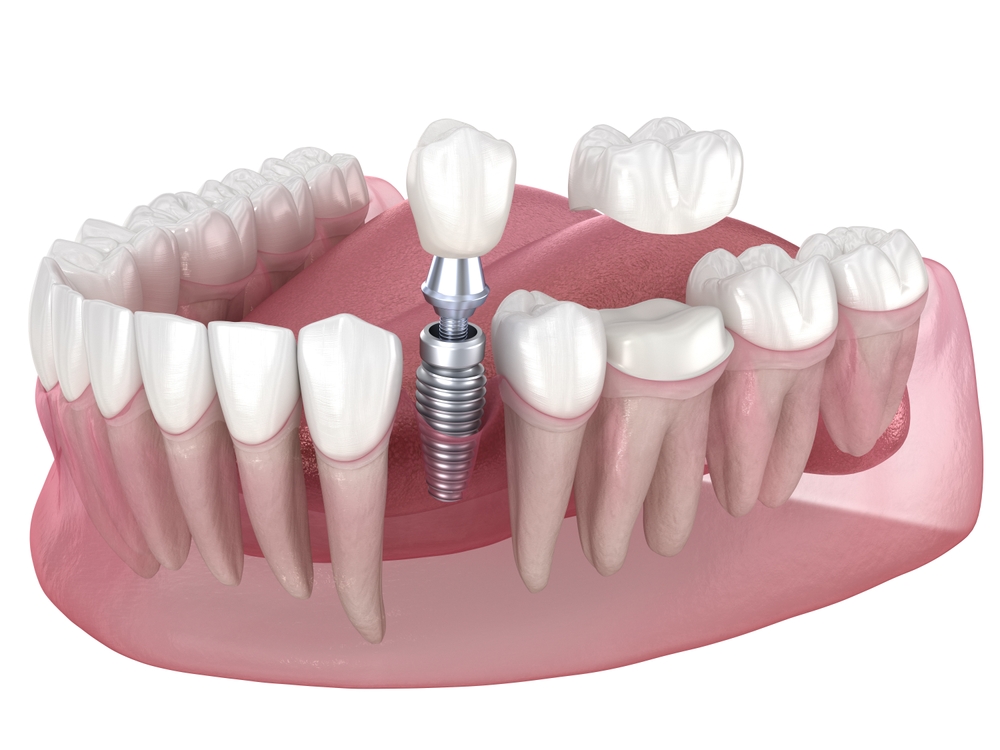
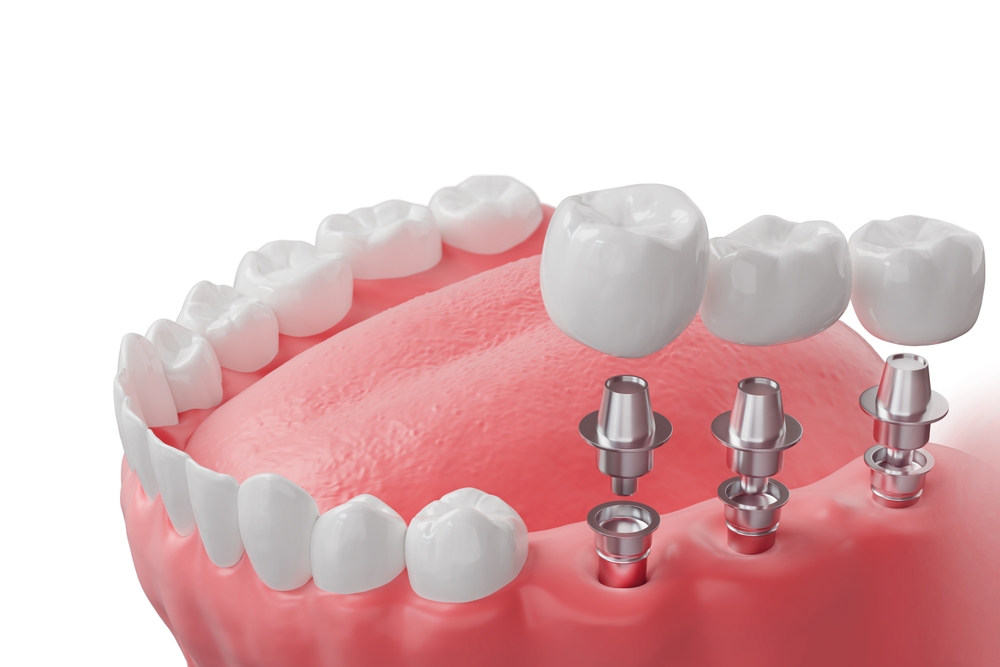
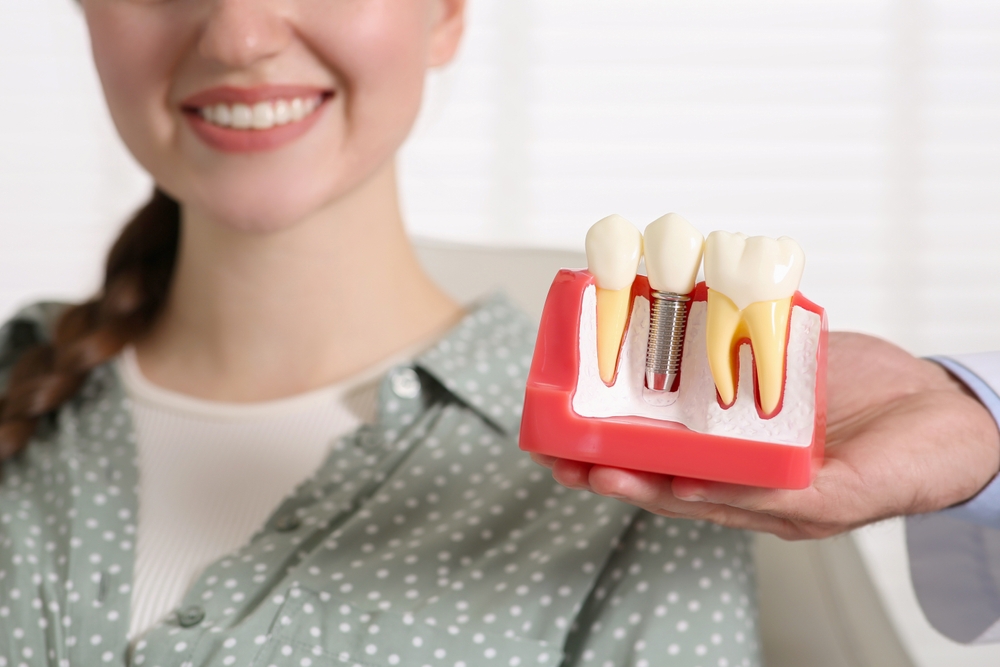
A completed implant restoration generally includes:
- Implant: The post placed into the jawbone.
- Abutment: The connector that joins the implant to the replacement tooth.
- Restoration: The crown, bridge, or denture used to replace the missing tooth or teeth.
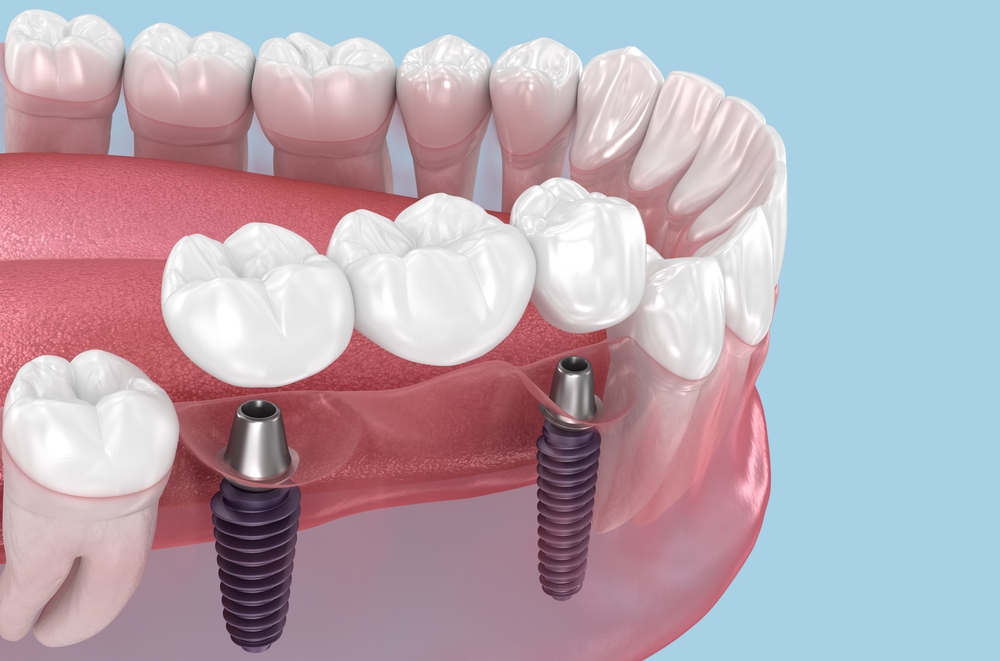
The number of implants needed depends on how many teeth are missing and the type of restoration being used.
When May Dental Implants Be Considered?
Implants may be considered when you are missing one tooth, several teeth, or all the teeth in an arch. They may be used to:
- Replace a Single Tooth: Support a crown to replace one missing tooth.
- Support a Bridge: Provide support for a bridge when several teeth are missing.
- Stabilize Certain Dentures: Help provide additional support for certain removable dentures.
- Restore Chewing Function: Replace missing teeth that affect your ability to chew.
- Fill Tooth Gaps: Restore spaces created by missing teeth.
- Reduce Reliance on Nearby Teeth: Provide tooth replacement without depending entirely on adjacent natural teeth.
Before recommending dental implants, Dr. McPherson will assess your oral health and discuss the available treatment options with you.

Are You a Candidate for Dental Implants?
Implant treatment is not suitable for every patient. Several factors need to be considered before treatment can be recommended.
These may include:
- Gum Health: The condition of your gums around the proposed implant site.
- Jawbone: The amount and condition of available bone.
- Medical History: Health conditions that may affect treatment or healing.
- Medications: Any medications you currently take.
- Smoking or Vaping: Habits that may affect healing.
- Oral Hygiene: Your ability to maintain good daily oral care.
- Missing Teeth: The number and location of the teeth being replaced.
Dental X-rays or other imaging may also be required to evaluate the jawbone and plan treatment. If there is not enough bone to support an implant, additional treatment such as bone grafting may sometimes be discussed.
What Happens During Dental Implant Treatment?
Dental implant treatment is usually completed over several visits. The exact process and timeline depend on the number of implants needed, how the area heals, and whether additional treatment is required beforehand.
1. Examination and Treatment Planning
Dr. McPherson examines your mouth and the area where the tooth is missing. Your medical and dental history is also reviewed. X-rays or other imaging may be used to assess the jawbone and plan the procedure.
2. Implant Placement
The implant is surgically placed into the jawbone. The area is numbed before the procedure to help keep you comfortable during treatment.
3. Healing
The jawbone needs time to heal around the implant. This process, known as osseointegration, helps create a stable foundation for the final restoration. Healing time varies between patients.
4. Placing the Abutment
Once the implant is stable, an abutment is attached. This connector provides a point of attachment for the replacement tooth or restoration.
5. Adding the Final Restoration
A crown, bridge, or denture is made to fit the implant and your bite. Once the restoration is ready, it is attached and checked for fit, comfort, and function.

Benefits of Dental Implants
Dental implants can provide a fixed way to replace missing teeth. Depending on your treatment plan, they may help:
- Replace Missing Teeth: Fill spaces created by tooth loss.
- Support Restorations: Hold crowns, bridges, or certain dentures in place.
- Improve Chewing: Restore function in areas affected by missing teeth.
- Provide Fixed Support: Offer a replacement that remains in place during daily activities.
- Restore Your Smile: Improve the appearance of gaps caused by missing teeth.
The potential benefits depend on your individual circumstances, and our dentist can explain how implant treatment may apply to your situation.
Recovery After Implant Placement
Some soreness, swelling, or tenderness can occur after implant placement. These symptoms can vary depending on the procedure and the individual.
Follow the instructions provided after your appointment. You may be advised to eat softer foods for a period of time, keep the area clean, and avoid unnecessary pressure on the implant site while it heals.
Contact our clinic if you experience worsening pain, increasing swelling, bleeding that does not slow down, or another symptom that concerns you.
Caring for Dental Implants
Dental implants themselves do not develop cavities, but the gums and surrounding tissues still require regular care. Plaque can collect around the implant and restoration, so daily cleaning remains important.
To help care for your implant:
- Brush Twice Daily: Brush your teeth and implant restoration morning and night.
- Clean Around the Implant: Carefully clean around the implant and restoration each day.
- Use Recommended Cleaning Aids: Floss or use the cleaning tools recommended by our team.
- Avoid Hard Objects: Do not bite on ice or other hard objects that could affect the restoration.
- Maintain Regular Visits: Keep up with routine dental exams and cleanings.
- Report Changes: Contact us if the implant or restoration feels loose or uncomfortable.
During regular visits, we can check the implant, surrounding gums, bite, and restoration for changes.
How Long Do Dental Implants Last?
There is no fixed lifespan for every dental implant. Factors such as oral hygiene, gum and bone health, smoking, your bite, medical conditions, and regular dental care can affect long-term results.
The restoration attached to the implant can also experience normal wear over time and may eventually require repair or replacement. Regular dental visits allow our team to monitor both the implant and restoration.
Implant Care at Allendale Dental
If you are looking into dental implants near you, an examination can help determine whether implant treatment is suitable for your situation. Depending on your oral health and individual needs, another type of tooth replacement may also be considered.
At Allendale Dental, Dr. Alex McPherson takes time to review your options, explain each stage of treatment, and answer your questions before you move forward. Our clinic follows the 2026 Alberta Dental Fee Guide, offers direct billing for eligible insurance plans, and provides free parking.
Explore Your Dental Implant Options
If you are missing one or more teeth, Dr. McPherson can examine your mouth and discuss the available replacement options with you. Implant treatment can be considered based on the condition of your teeth, gums, jawbone, and overall oral health.
If you’re looking for dental implants in Edmonton, call Allendale Dental at (780) 434-1313 to schedule a consultation with Dr. Alex McPherson.
Common Questions About Dental Implants in Edmonton
Does dental implant surgery hurt?
The area is numbed before treatment. You may notice pressure during the procedure and some soreness or tenderness afterward as the area heals.
How long does the dental implant process take?
The overall process varies between patients. The implant needs time to heal and become stable before the final restoration can be placed.
Can I replace several missing teeth with implants?
Yes. Multiple dental implants in Edmonton may be used to support crowns, a bridge, or certain dentures. The number needed depends on the teeth being replaced and your treatment plan.
Do implants prevent bone loss?
Implants are placed into the jawbone and can provide support in the area where a tooth is missing. Our dentist can discuss how implant placement relates to the condition of your jawbone and individual treatment needs.
Can smokers get dental implants?
Smoking can affect healing and may increase the risk of complications. Tell our dentist if you smoke or vape so your treatment plan can take your habits into consideration.
Can dental implants fail?
Implant treatment can have complications, including problems with healing, infection, changes around the implant, or issues affecting the restoration. Regular dental care helps monitor the implant and surrounding tissues.
Do I still need dental checkups after getting implants?
Yes. Regular visits allow our team to examine the implant, surrounding gums, bite, and restoration and identify changes that may require attention.