

A damaged or weakened tooth may need more support than a filling can provide. A dental crown covers the visible portion of the tooth to help restore its shape, strength, and function. Crowns may be considered when a tooth has significant damage or requires additional support to maintain its structure.
At Allendale Dental, Dr. Alex McPherson can assess the condition of your tooth and determine whether a crown is suitable for your needs. We provide dental crowns in Edmonton based on the condition of the tooth, the amount of remaining healthy structure, and your overall treatment needs. Our team can also explain the recommended approach and what you can expect during the treatment process.
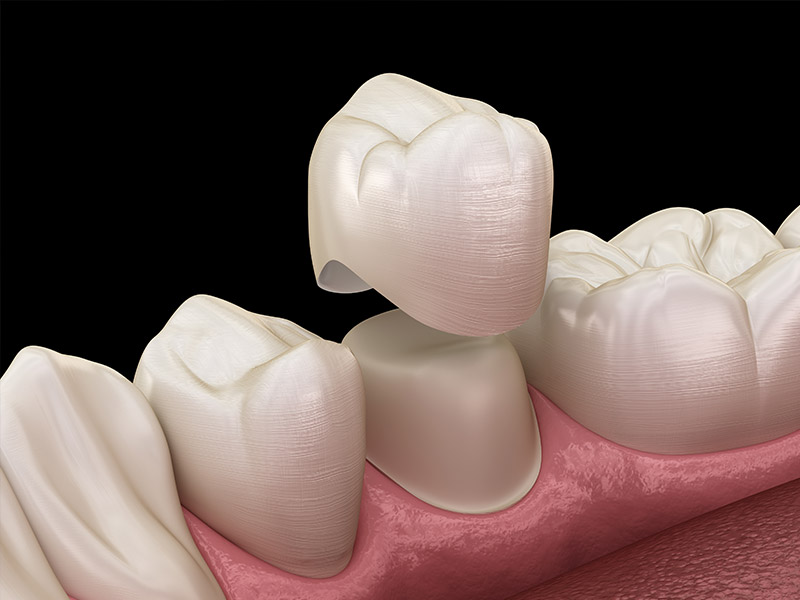
What Is a Dental Crown?
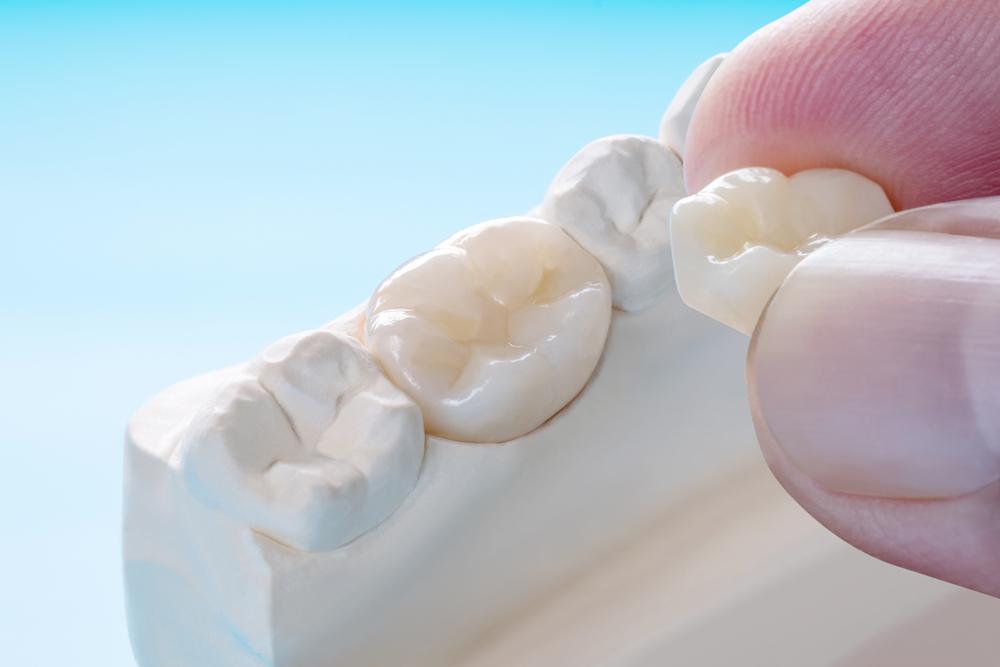
A dental crown is a custom-made restoration that fits over a prepared tooth, covering the visible portion above the gumline. It is designed to restore the tooth’s shape and function while providing support to weakened areas.
Crowns may be recommended when a tooth has been affected by decay, cracks, significant wear, or previous dental treatment. By covering the remaining tooth structure, a crown can help protect it from further damage and restore its ability to function normally.
Crowns are also commonly used after root canal treatment when the tooth needs additional protection. The type of crown material considered can vary depending on the location of the tooth, its condition, and your individual needs.
When Might You Need a Dental Crown?
A crown may be recommended when a tooth is too damaged or weakened for a filling alone.
You may need one if:
- Extensive Tooth Decay: When a large portion of the tooth has been affected by decay.
- Cracked or Fractured Tooth: When the tooth has developed a crack or fracture.
- Large Existing Filling: When a large filling has weakened the remaining tooth structure.
- Significant Tooth Wear: When the tooth has become noticeably worn down.
- After Root Canal Treatment: When a tooth has undergone root canal treatment and needs additional protection.
- Restoring Tooth Shape: When a damaged tooth requires its shape or appearance to be restored.
Before recommending dental crowns Dr. McPherson will examine the tooth and explain the options available.
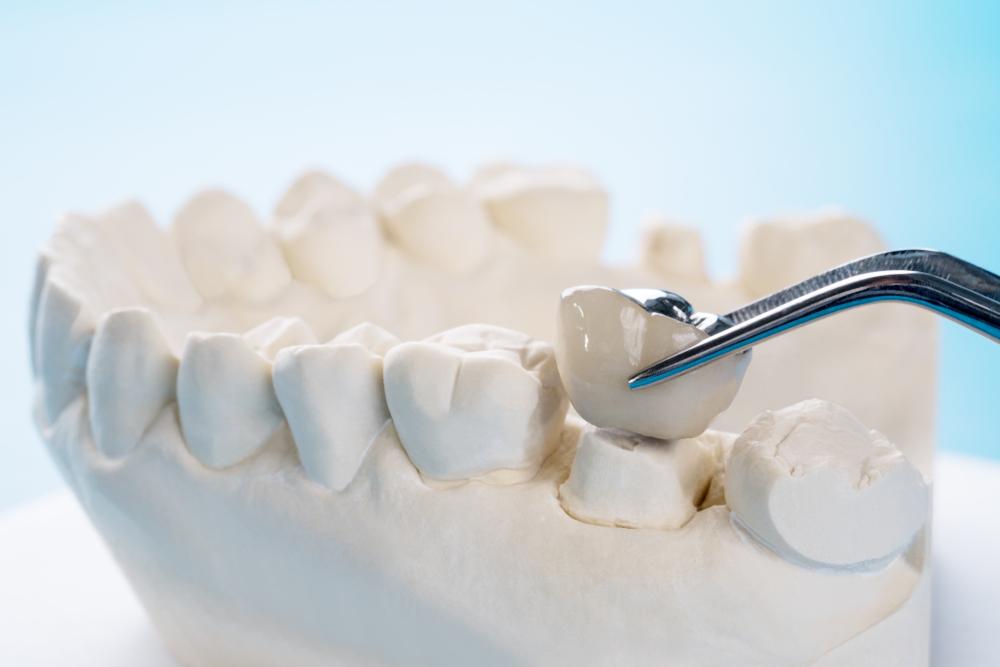
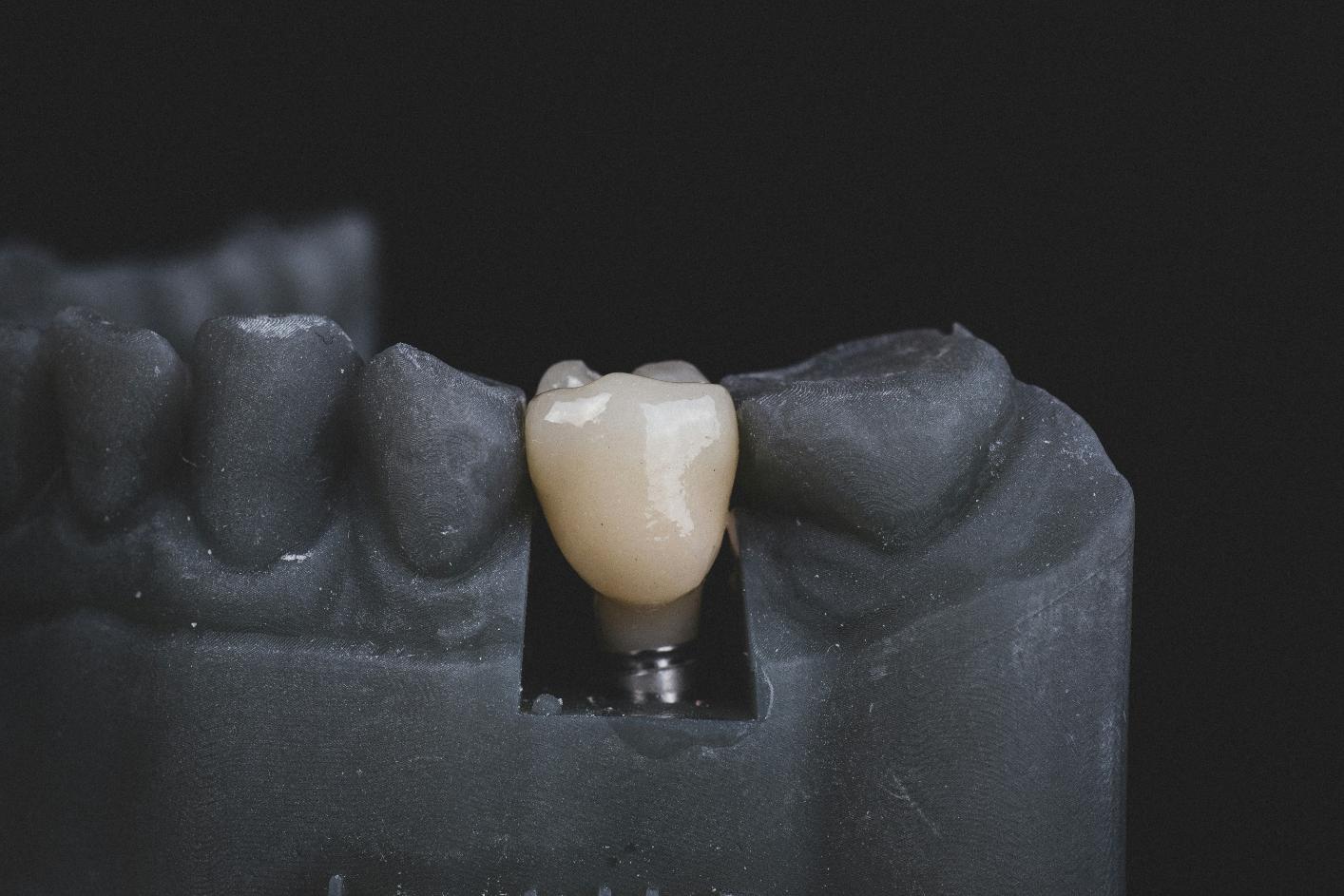
Types of Dental Crowns
Dental crowns are available in several materials. The best option depends on which tooth is being treated, how much pressure it handles when you bite, and how you want the crown to look.
Porcelain Crowns
Porcelain can provide a natural-looking appearance and may be considered for teeth that are visible when you smile.
Ceramic Crowns
Ceramic crowns are another tooth-coloured option and can be matched to surrounding teeth.
Zirconia Crowns
Zirconia is a strong material that may be suitable for teeth that need greater durability.
Metal or Gold Crowns
Metal-based crowns are known for strength and may be recommended in certain situations, particularly for back teeth.
Dr. McPherson can explain the advantages of each option and help determine which material is appropriate for your tooth.
What Happens When You Get a Crown?
Getting a crown usually requires more than one appointment.
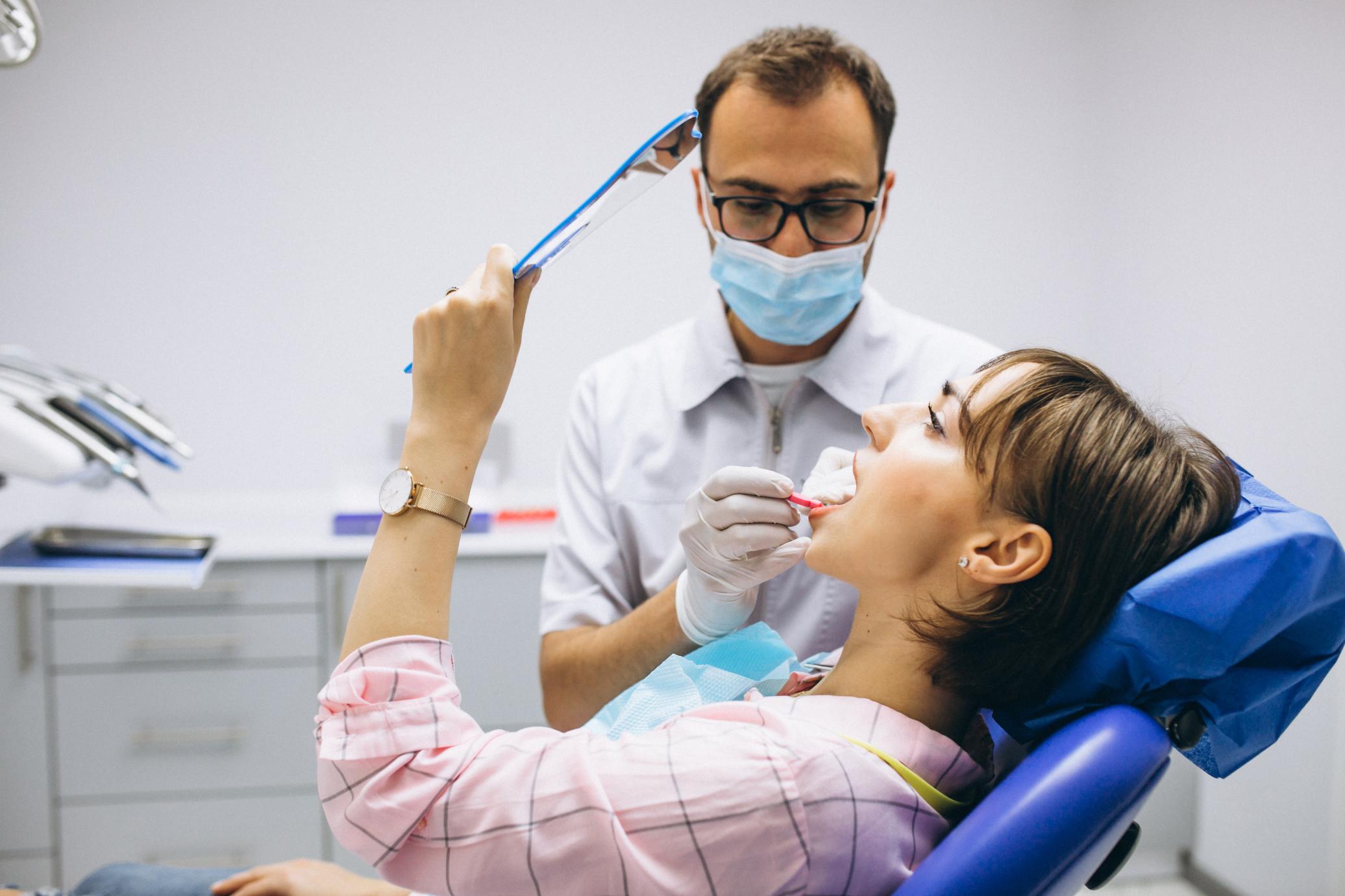
1. Examining the Tooth
Dr. McPherson checks the tooth and surrounding area to determine whether a crown is appropriate. Dental X-rays may be taken when additional information is needed.
2. Preparing the Tooth
The tooth is shaped so the crown can fit over it properly. Local anesthetic is typically used to keep you comfortable during this part of the procedure.
3. Taking an Impression
An impression or scan is taken to record the shape of the prepared tooth and surrounding teeth. This information is used to make your custom crown.
4. Placing a Temporary Crown
A temporary crown may be placed while your permanent restoration is being made. It helps protect the prepared tooth between appointments.
5. Fitting the Permanent Crown
At the next visit, we remove the temporary crown and check how the permanent one fits and feels when you bite. Once the fit is right, the crown is cemented in place.
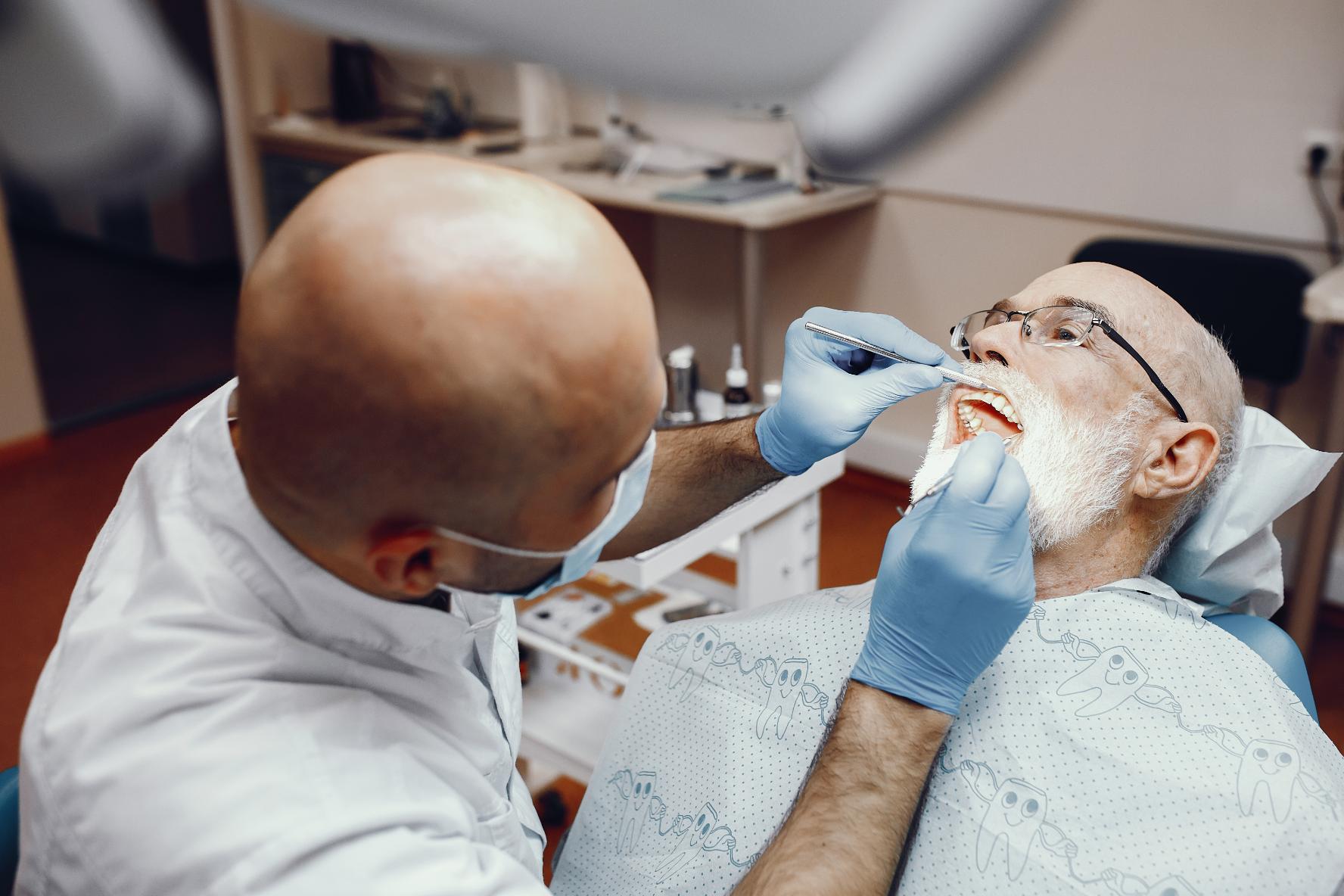
Benefits of a Dental Crown
A crown can help restore a tooth that has lost some of its strength or structure.
Depending on your situation, it may help:
- Protect Weakened Teeth: Strengthen and protect teeth with compromised structure.
- Restore Tooth Damage: Repair teeth that are damaged or significantly worn.
- Improve Chewing: Restore the tooth’s function to support comfortable chewing.
- Support After Root Canal: Provide additional protection for teeth after root canal treatment.
- Cover Large Fillings: Protect teeth with large fillings that may have weakened the remaining structure.
- Enhance Tooth Appearance: Improve the shape and overall appearance of a damaged tooth.
A crown does not make a tooth immune to future problems, so good oral care remains important.
Caring for a Dental Crown
A crowned tooth still needs daily brushing and flossing. Plaque can collect around the edge of the crown, and the natural tooth underneath can still develop decay.
To care for your crown:
- Brush Twice Daily: Use fluoride toothpaste to clean your teeth morning and night.
- Floss Daily: Clean carefully around the crowned tooth to remove plaque and food particles.
- Avoid Hard Foods & Objects: Do not chew ice or other very hard objects that could affect the crown.
- Use Your Teeth Properly: Avoid using your teeth to open packages or bite non-food items.
- Maintain Regular Visits: Keep up with routine dental exams and cleanings to monitor your oral health.
- Report Any Discomfort: Let us know if your crown feels loose, uncomfortable, or different.
We can check the crown during your regular dental visits and watch for signs of wear or changes around the tooth.

How Long Does a Dental Crown Last?
There is no exact lifespan for every crown. How long it lasts depends on the crown material, the tooth involved, your bite, oral habits, and how well you care for your teeth.
Grinding or clenching, chewing hard objects, and decay around the edge of the crown can shorten its lifespan. Regular dental exams help us monitor its condition over time.
Crown Care at Allendale Dental
If you are looking for dental crowns near you, the first step is having the tooth examined. Not every damaged tooth needs the same type of restoration, and in some cases a filling or another treatment may be more suitable.
At Allendale Dental, we explain what we see and why a crown may be recommended. We also review the material options and treatment process so you know what to expect before moving forward.
Our clinic follows the 2026 Alberta Dental Fee Guide, offers direct billing for eligible insurance plans, and provides free parking for patients.
Book a Crown Consultation
If you’re looking for dental crowns in Edmonton, Allendale Dental provides personalized crown treatment based on the condition of your tooth and your individual dental needs.
Call at (780) 434-1313 to arrange an appointment with Dr. Alex McPherson. Our clinic is located at 10430 61 Ave NW #102, Edmonton, AB T6H 2J3, Canada.
Common Questions About Dental Crowns Near You
Does getting a dental crown hurt?
The tooth is usually numbed before treatment, so you should stay comfortable while it is being prepared. Some mild sensitivity afterward is normal, but contact us if the discomfort does not improve or gets worse.
Can a dental crown look like a natural tooth?
Yes. Tooth-coloured materials such as porcelain, ceramic, and zirconia can be selected to blend with the surrounding teeth. The final appearance depends on the tooth, material, and individual treatment needs.
Can a crown get a cavity?
The crown itself cannot develop a cavity, but the tooth underneath it still can. Plaque can collect around the edges, so regular brushing, flossing, and dental checkups are important.
What should I do if my crown feels loose?
Avoid chewing on that side and contact our clinic. A loose crown should be checked so the dentist can determine whether it can be re-cemented, repaired, or needs to be replaced.
Do I need a crown after a root canal?
Not every tooth is the same, but some teeth need a crown after root canal treatment because they have lost a significant amount of structure or are more likely to fracture. Dr. McPherson will assess the tooth and explain whether a crown is recommended.
How do I know if I need a crown instead of a filling?
A filling may be enough for a smaller area of damage, while a crown may be considered when more of the tooth has been weakened. An examination helps determine how much healthy tooth structure remains and which option is appropriate.