

A cavity can start small and may not cause obvious symptoms right away. Treating decay before it spreads can help preserve more of the natural tooth and prevent the area from becoming more difficult to restore.
At Allendale Dental, Dr. Alex McPherson provides cavity filling in Edmonton for patients with tooth decay or minor tooth damage. We examine the affected tooth, explain what we find, and recommend treatment based on its condition.
What Is a Dental Filling?
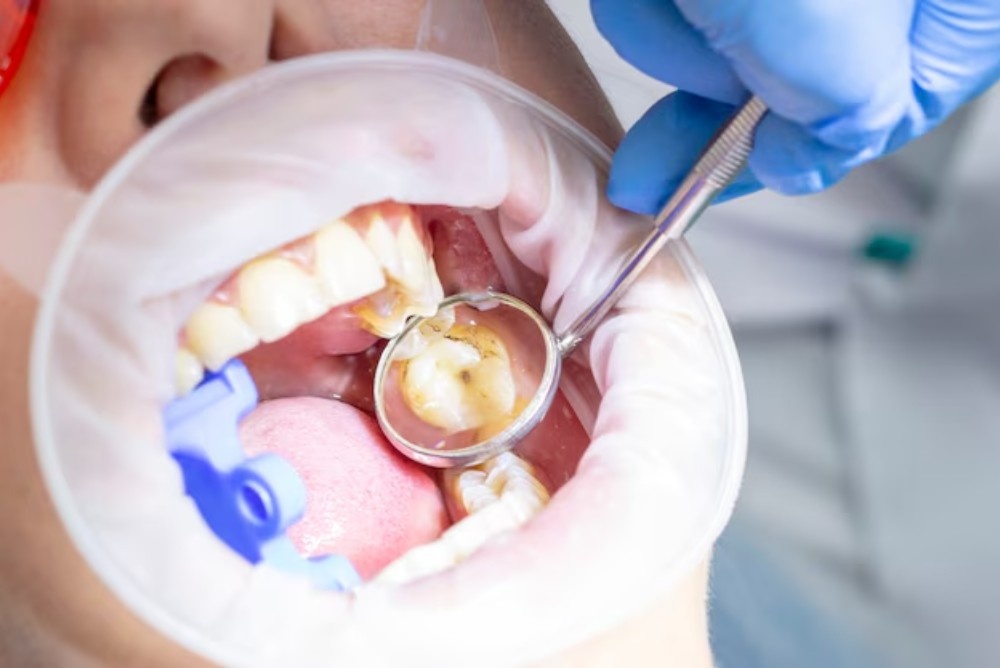
A dental filling is used to repair an area of a tooth that has been damaged by decay. The decayed portion is removed, and the space is filled with a suitable dental material to restore the tooth’s shape and function.
Fillings may also be considered for certain small chips, worn areas, or other minor damage. Whether a filling is appropriate depends on how much healthy tooth structure remains.
Signs You May Need a Filling
Some cavities are found during a routine dental exam before they cause discomfort. Others may cause noticeable changes.
You may want to have a tooth checked if you notice:
- Temperature Sensitivity: Notice discomfort when eating hot, cold, or sweet foods.
- Biting Discomfort: Experience pain when biting down or chewing.
- Visible Tooth Changes: Spot a hole, dark area, or other noticeable change on a tooth.
- Recurring Food Trapping: Have food repeatedly caught between the same teeth.
- Chipped or Rough Tooth: Feel a chipped, uneven, or rough area on a tooth.
- Persistent Toothache: Experience tooth pain that continues or does not go away.
These symptoms do not always mean you need a filling. An examination can help determine what is causing the problem and what treatment may be needed.


Why Cavities Should Be Treated
Once a cavity develops, it will not heal on its own. Without treatment, decay can continue to spread through the tooth and affect deeper layers. In more advanced cases, the decay may reach the inner pulp, where the nerves and blood vessels are located, potentially requiring more extensive treatment.
We provide dental fillings in Edmonton to repair teeth when the damage caused by decay is still limited. During your appointment, our dentist will assess the affected tooth and determine how much healthy tooth structure remains. The decayed area can then be removed, and the space restored with a suitable filling material.
Treating a cavity early can help preserve more of the natural tooth structure and restore its shape and function. If the decay is more extensive, Dr. McPherson may recommend a different treatment based on the condition of the tooth and your individual needs.
What Happens During a Filling Appointment?
The process may vary depending on which tooth is being treated and how much decay is present. In most cases, a filling appointment includes these steps:
1. Examining the Tooth
Dr. McPherson checks the tooth and determines how much decay or damage is present. Dental X-rays may be recommended when more information is needed.
2. Numbing the Area
Local anesthetic may be used to numb the tooth and surrounding area before treatment begins.
3. Removing the Decay
The damaged portion of the tooth is carefully removed while preserving as much healthy tooth structure as possible.
4. Placing the Filling
The prepared area is filled with the selected material and shaped to restore the tooth.
5. Checking Your Bite
Once the filling is placed, Dr. McPherson checks how your teeth come together. Small adjustments can be made if the filling feels too high when you bite.

Types of Filling Materials
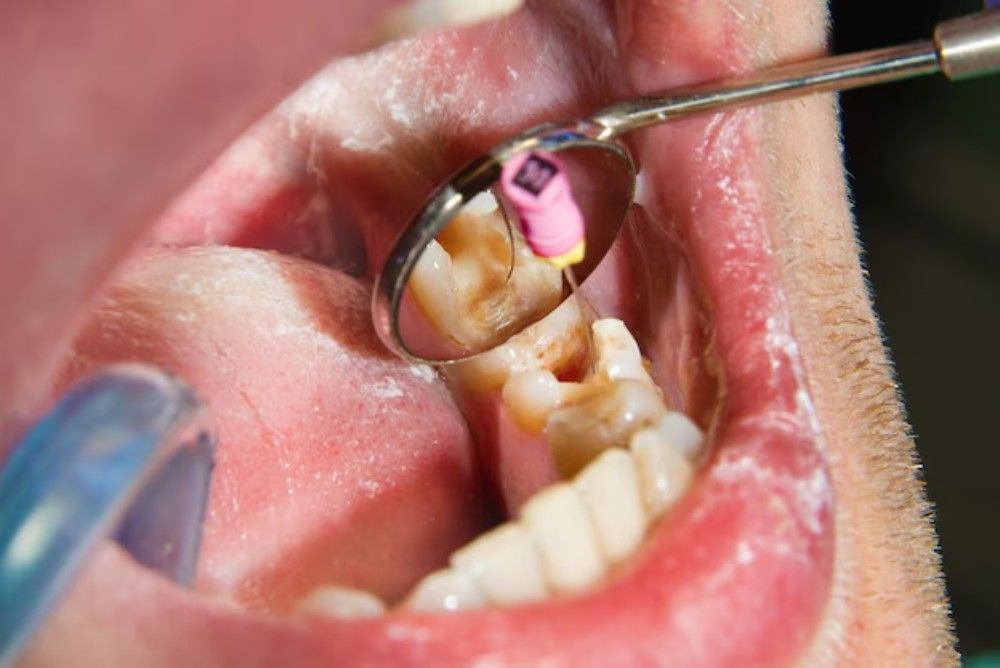
Different materials can be used for dental fillings. The choice depends on factors such as the location of the tooth, the amount of tooth structure being restored, appearance, and your individual needs.
Tooth-Coloured Composite Fillings
Composite resin can be matched closely to the colour of your natural tooth. It is commonly used when appearance is an important consideration.
Amalgam Fillings
Amalgam is another filling material that has traditionally been used in areas where durability is important.
Dr. McPherson can explain which material may be suitable for your tooth before treatment. For some larger areas of damage, a filling may not provide enough support, and another restoration may be recommended.
Caring for a Filled Tooth
A filled tooth still needs the same daily care as your other teeth. Decay can develop around the edges of a restoration or elsewhere on the tooth.
To help care for your filling:
- Brush Twice Daily: Brush your teeth twice each day to maintain good oral hygiene.
- Floss Regularly: Clean between your teeth regularly to remove trapped food and plaque.
- Limit Sugary Foods: Reduce frequent sugary snacks and drinks to support your oral health.
- Keep Up With Exams: Attend routine dental exams and cleanings to monitor your oral health.
- Report Any Changes: Let us know if your filling feels loose, rough, or uncomfortable.
During future dental visits, we can check the condition of your fillings and look for signs of wear or damage.


When a Filling May Not Be Enough
A filling works best when there is enough healthy tooth structure remaining to support the restoration. If decay or damage affects a larger portion of the tooth, another type of treatment may be more appropriate.
For example, a crown may sometimes be recommended when a tooth needs additional protection. If decay has reached the pulp and caused inflammation or infection, root canal treatment may need to be considered.
Our dentist will explain the condition of the tooth and the available options before recommending treatment.
Filling Care at Allendale Dental
Our team can assess the affected tooth, identify the cause of your discomfort, and determine whether a filling is appropriate. The recommended treatment will depend on the extent of the damage and the amount of healthy tooth structure that remains.
At Allendale Dental, we take time to explain what we see and why a treatment may be recommended. Whether you need a small restoration or a cavity filling in Edmonton, our goal is to provide care based on the condition of your tooth and your individual needs.

Book a Filling Appointment
If you have tooth sensitivity, discomfort, or think you may have a cavity, an examination can help determine the cause. Dr. McPherson can assess the tooth and let you know whether a dental filling in Edmonton is appropriate.
To schedule an appointment with Allendale Dental, call (780) 434-1313. Our clinic is located at 10430 61 Ave NW #102, Edmonton, AB T6H 2J3, Canada.
Common Questions About Dental Fillings
Does getting a filling hurt?
If you are considering dental fillings near you, the area is usually numbed before the damaged part of the tooth is treated. You may notice pressure or movement during the procedure, but let us know if you feel uncomfortable so we can make adjustments.
How long does a filling last?
The lifespan of a filling varies. Its material, size, location, your bite, oral habits, and daily dental care can all affect how long it remains in good condition. We check existing fillings during routine examinations.
Can I eat after getting a filling?
This depends partly on the material used and whether your mouth is still numb. It is generally best to wait until the numbness has worn off before chewing so you do not accidentally bite your cheek or tongue. We will give you instructions based on your treatment.
Why is my tooth sensitive after a filling?
Some sensitivity is normal for a short time after a filling. If it does not improve, becomes painful, or hurts when you bite, contact our clinic so we can check the tooth.
Can children get dental fillings?
Yes. Children can get cavities in both baby teeth and permanent teeth. If a filling is needed, the dentist will consider the tooth involved, how much decay is present, and your child’s overall dental needs.
What happens if I leave a cavity untreated?
Decay can become larger and affect deeper parts of the tooth. Treating a cavity earlier may allow more natural tooth structure to be preserved and can reduce the chance of needing more extensive treatment later.