

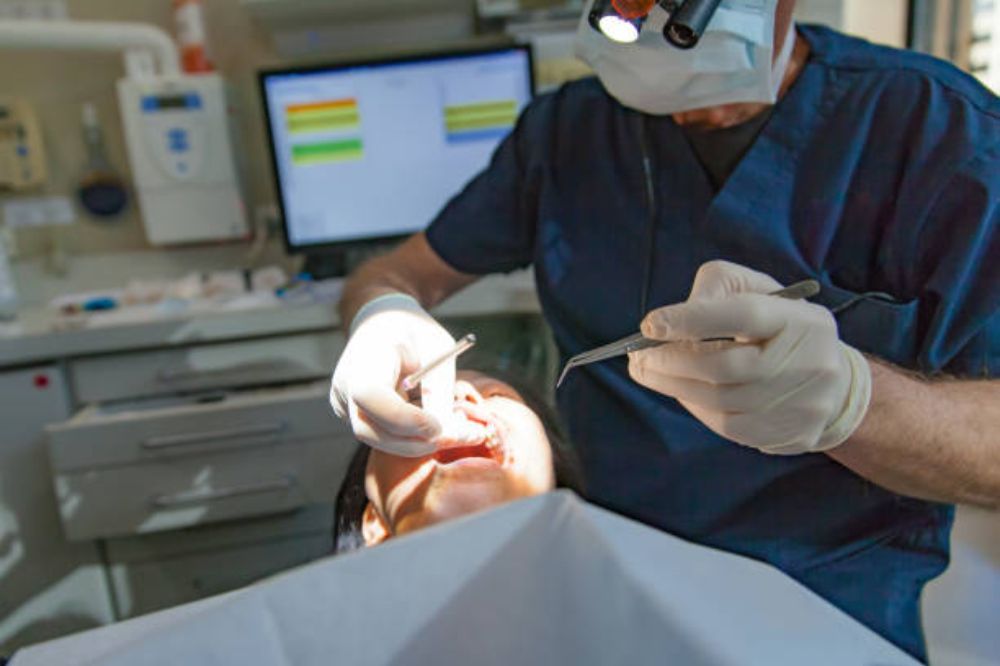
Following oral surgery in Edmonton, recovering goes beyond rest; what you eat matters too. Eating certain foods can irritate your healing gums, which can prolong your recovery or lead to other complications. A common question from our surgical patients is whether they can eat spicy or crunchy foods right after their surgery. The answer is no, at least not right away.
Spicy foods can burn sensitive tissues, while crunchy items can dislodge blood clots or irritate your incisions. Rather, your diet after oral surgery should include mostly soft, soothing foods that contribute to proper healing and keep you comfortable. Part of what you should know is when to start incorporating other textures again.
Why Does Food Choice Matter After Oral Surgery?
Once you have completed your procedure, following proper diet recommendations post-surgery is as important as your medication and rest. Your dentist in Edmonton will likely tell you to avoid anything that may put pressure on your gums or cause any risk of infection. Chewing hard or crunchy items can disturb the surgical site, while spicy or acidic foods can induce pain and swelling.
Your mouth needs a calm healing environment. That means sticking to the easiest foods to eat and ones that will nourish your body, promote clot stability, reduce inflammation, and avoid irritation.
What Foods Should You Avoid After Oral Surgery?
Here’s a list of foods to avoid after oral surgery:
- Crunchy foods (chips, nuts, popcorn, raw veggies) – may scratch the surgical area.
- Spicy foods (chilli, hot sauces, curries) – will burn tender tissues and delay healing.
- Acidic foods (citrus, tomatoes, vinegar) – could cause stinging and discomfort.
- Chewy or sticky foods (caramel, taffy, tough bread) – can pull at stitches.
- Very hot foods or drinks could dissolve blood clots and increase bleeding.
What Can You Eat During Recovery?
Safe food options that give needed nutrition without risking injury to your surgical site include:
- mashed potatoes or sweet potatoes
- applesauce, yogurt, or pudding
- smoothies and protein shakes (don’t use seeds)
- scrambled eggs or soft fish
- broths and blended soups (not scalding hot)
This soft diet gives time for your gums to heal while you also get the needed nutrition.
When Can You Eat Normally Again?
Recovery from surgery depends on your surgical procedure and unique healing process, but here are some oral surgery aftercare tips to guide you in reintroducing food:
- First 24–48 hours – Soft food, cool or lukewarm, is best.
- Day 3–5 – Soft food at room temperature or thinner than normal consistency is fine. Soft pasta is a good choice.
- Week one and later – Slowly start eating solid foods again when it feels okay.
- Always follow your dentist’s instructions because everyone heals at a different speed.
Can Spicy and Crunchy Foods Cause Complications?
Yes, eating the wrong foods too early may result in:
- Dislodged clots, leading to a painful dry socket
- Extended bleeding or swelling
- Infection risk from food particles stuck near incisions
- Delayed healing due to constant irritation
- Patience and caution with your diet reduce the risk of setbacks.
Give Your Mouth the Healing Time It Deserves!
Eating appropriately after oral surgery is important to protect gums, avoid complications, and speed recovery. Avoid crunchy and spicy foods until your dentist confirms it is ok. Ready to Heal With Confidence? At Allendale Dental, our friendly team is here to help you heal with the right aftercare and nutritional recommendations. Schedule your appointment today so you can heal comfortably and safely enjoy your favourite meals.
FAQs
Q1. When is it okay to eat crunchy foods again?
We advise patients to hold off eating anything crunchy until their gum is completely healed, which we find to be about 2 to 3 weeks after surgery (unless their dentist has told them otherwise).
Q2. Are dairy products safe during recovery?
Yes! Just avoid extremely cold or thick dairy products until later, since they may cause discomfort. Yogurt or milk products are generally tolerated.
Q3. Can I use a straw to drink smoothies or shakes?
If possible, try to avoid using straws for drinks, smoothies, or shakes for a week, because the suction may dislodge healing clots.
Q4. Is it okay to add some seasoning to soft foods?
Yes, it’s ok to use mild herbs and non-spicy seasonings. Just avoid hot, peppery, or acidic foods on your gums.