

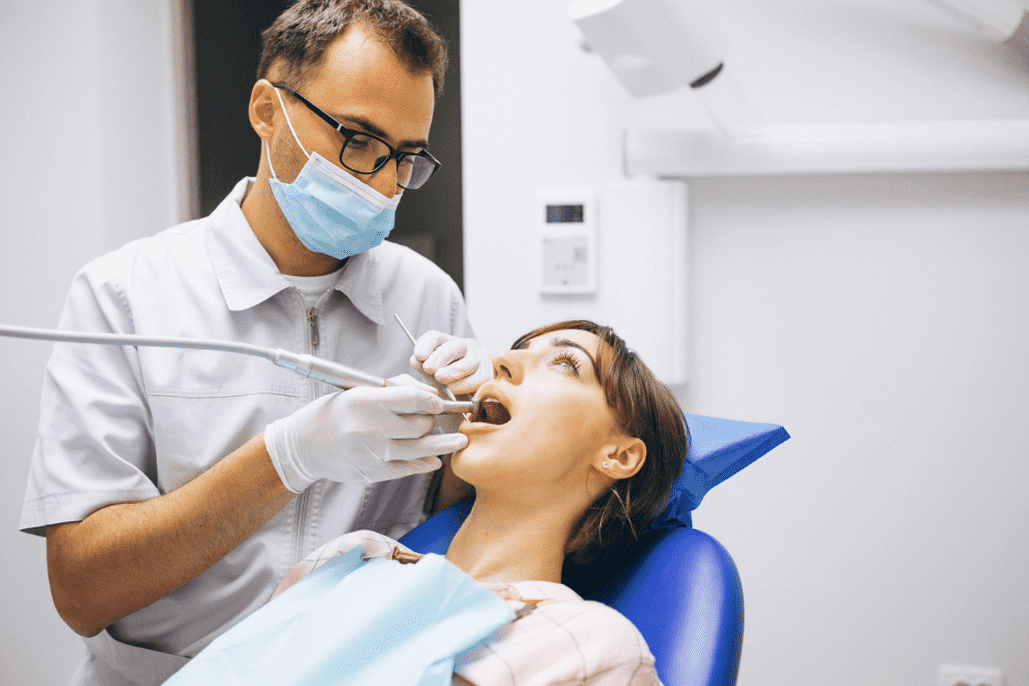
Regular teeth cleanings help ensure that your teeth and gums are healthy. Most dentists recommend visiting the clinic every six months for dental cleanings in Edmonton. This helps prevent cavities, gum disease, and other dental problems. But some people ask, “Can frequent dental cleanings be risky? Let’s learn about this and discover what you should know right now.
What Happens During a Dental Cleaning?
When you visit a practice for a cleaning, your dentist will remove plaque and tartar from your teeth. Plaque is a sticky film that contains bacteria. Tartar cannot be brushed off; it’s hardened plaque. Your teeth also get polished, and stain prevention takes place.
For most people, dental cleanings are safe. They help to lower the chances of gum disease, cavities, and bad breath. During a cleaning visit, your dentist in Edmonton will also be able to identify early oral issues, such as cavities or oral cancer.
How Often Should You Get Dental Cleanings?
Usually, people are advised to have a dental cleaning every 6 months. Some people who are prone to gum disease need touch-ups and cleanings every three or four months. Some people with very healthy teeth and gums do just fine with once-a-year visits.
It’s important to follow the schedule your dentist recommends. Ask your dentist about how often you need cleanings. Too many cleanings can sometimes cause minor issues.
Risks of Frequent Dental Cleanings
Getting your teeth cleaned is often safe to do, but like many things in life, it can come with some risks associated with overuse.
| Risk | Explanation |
| Tooth Sensitivity | Too frequent cleaning can wear off enamel, causing temporary sensitivity. |
| Gum Irritation | Excessive cleaning can cause gum inflammation and soreness. |
| Enamel Damage | Tooth enamel may get slightly damaged due to aggressive cleaning techniques. |
| Bleeding Gums | People with gum disease may notice more bleeding if cleanings are too frequent. |
These risks are usually small and don’t last long. Most patients don’t have any major issues. For the best results, a trained dentist should do cleanings using the right methods.
How to Protect Your Teeth Between Cleanings
Only going to the dental clinic is not enough; you will also have to make sure you take care of your teeth at home. Simple steps include.
- It is important to brush your teeth at least twice a day.
- Flossing every day helps to remove food and plaque between teeth.
- Avoid the intake of sugary snacks and drinks that can cause cavities.
- Use mouthwash if recommended by your dentist.
- Visit your dentist for checkups even if you feel no pain.
When to Talk to Your Dentist About Cleaning Frequency
Tell the dentist if your teeth are sore, you have bleeding gums, or you have tooth sensitivity after your cleaning. Adjust methods or times of cleaning to keep your teeth and gums healthy without causing damage.
Wrapping Up
Most people can safely undergo a dental cleaning without developing health problems. Nevertheless, other risks are somewhat minor. This refers to the development of issues like tooth sensitivity and gum irritation. Enamel wear may occur, too, if you get the cleanings done too often. The best approach is to follow the schedule recommended by your dentist and take care of your teeth at home.
As dental cleanings are more than just a way to keep your teeth white, they keep your mouth healthy and help your dentist spot problems early. A combination of regular care and good daily habits will keep your smile healthy for years.
Find Us on Google Map
Keep Your Smile Bright With Regular Cleanings Today!
Allendale Dental provides professional cleaning services to keep your teeth and gums healthy. Our dentists will carefully remove plaque and tartar to lower the risk of cavities, gum disease, and more. We will keep an eye on your oral health and also make sure your teeth stay bright by cleaning them regularly. Call us to make an appointment to protect your teeth.